Average Plank Time by Age: How Long Should You Hold a Plank?
Updated November 18, 2026 · 13 minute read · Free PDF
The average plank time for young adults is about 2 minutes for men and 1 minute 20 seconds for women, held with good form until it breaks. Those are the averages of 471 college students, 20 years old on average, in the largest adult plank study we found. Here are the real numbers for every age we could find, from 6 year olds to adults of 79, the Army's plank standard for each age group, how to test yourself fairly, and a plan to hold longer.
The short answer
| Young men, about 20 | 2:04 on average. The middle man held 1:50, which means 1 minute 50 seconds. |
|---|---|
| Young women, about 20 | 1:23 on average. The middle woman held 1:12. |
| Children 6 to 11 | About 1 minute, boys and girls alike. |
| Teens 12 to 15 | 1:31 for boys, 1:17 for girls on average. |
| Army pass mark | 1:30 at 17 to 21, down to 1:10 from age 37. The same for men and women. |
How long should you hold a plank? To test yourself, as long as your form lasts. To train, hold for time, not to failure: a few holds of about half your best time, with a minute of rest, adding a few seconds each session.
Average plank time for men and women
In the largest study of adults, researchers timed 471 college students in a forearm plank, from the moment they were in position until they could no longer keep it (Strand and colleagues, 2014). Men held 2:04 on average and women 1:23. A few very long holds pull an average up, so the middle times are lower: 1:50 for men and 1:12 for women. Here is where a time falls among them:
| Top 10% | Men 3:21, women 2:22 or longer |
|---|---|
| Top 20% | Men 2:37, women 1:48 or longer |
| Top 30% | Men 2:17, women 1:35 or longer |
| The middle | Men 1:50, women 1:12: half held longer, half shorter |
| Bottom 30% | Men under 1:29, women under 0:58 |
| Bottom 10% | Men under 1:02, women under 0:35 |
Training shows. The students who exercised more than 5 times a week held longer than everyone else, and the varsity athletes' middle time was 1:44, against 1:23 for the other students. A smaller study of 102 college athletes found middle times of 1:50 for men and 1:35 for women (Chase and colleagues, 2014).
Your abs are not the only thing that quits. When the students stopped, they were asked why. Their legs gave out first for 32% of them and their arms for 32%. Only 21% stopped because of their abs, and 6% because of their back. A plank tests the whole body.
Average plank time by age
Children and teens. In 2012, the US National Youth Fitness Survey timed children aged 6 to 15 in a forearm plank: toes and forearms on the mat, back straight, held without moving for as long as possible (Ervin and colleagues, 2014). These are the middle times for each age. Averages run higher, because a few children hold for a very long time.
| Age 6 | Boys 0:39, girls 0:40 |
|---|---|
| Age 7 | Boys 0:50, girls 0:55 |
| Age 8 | Boys 0:58, girls 0:57 |
| Age 9 | Boys 0:53, girls 1:04 |
| Age 10 | Boys 1:04, girls 0:52 |
| Age 11 | Boys 1:07, girls 1:06 |
| Age 12 | Boys 1:02, girls 1:10 |
| Age 13 | Boys 1:21, girls 1:05 |
| Age 14 | Boys 1:30, girls 1:15 |
| Age 15 | Boys 1:38, girls 1:10 |
Up to age 11, boys and girls held about as long as each other, a minute on average. From 12 to 15, boys pulled ahead: 1:31 on average against 1:17 for girls (Ervin and colleagues, 2013). Body weight made a big difference: girls of normal weight held 1:16 on average and girls with obesity 0:38. For boys it was 1:23 and 0:44.
From 16 to 25, the college study above is the best guide: 1:50 for the middle man, 1:12 for the middle woman.
Adults up to 79. A 2018 study timed 60 adults aged 20 to 35 and 60 aged 60 to 79, half men and half women, until they could no longer keep the plank (Bohannon and colleagues, 2018). The average was 2:25. The younger group held clearly longer than the older one, and people who were more active, or had a smaller waist, held longer. Each person was tested twice, about a week apart, and the times came out almost the same, so the plank is a fair way to track your own progress.
Plank time at 40, 50, 60 and 70. We could not find a study with plank times for each decade of adult life, and we could not trace the charts on other sites that give a time for every age group to any study. The only official chart by age is the Army's, below, and from age 37 up it asks the same of everyone. Age is no wall, either: the oldest man in Guinness World Records to plank, Maynard Williams of New Zealand, held for just under 31 minutes at 78. The record needed 3.
Plank standards by age: Army and Marines
The US Army Fitness Test includes a forearm plank, held in a straight line, and scores it from 0 to 100 points by age. These are the times from the Army's score tables, in use since 1 June 2025:
| Age 17 to 21 | Pass 1:30 · 80 points 2:35 · full marks 3:40 |
|---|---|
| Age 22 to 26 | Pass 1:25 · 80 points 2:30 · full marks 3:35 |
| Age 27 to 31 | Pass 1:20 · 80 points 2:25 · full marks 3:30 |
| Age 32 to 36 | Pass 1:15 · 80 points 2:20 · full marks 3:25 |
| Age 37 and over | Pass 1:10 · 80 points 2:15 · full marks 3:20 |
The times are the same for men and women, and for combat jobs. Pass means 60 points, the least a soldier needs in each event.
US Marine Corps: one plank table for every age and both sexes. Since 1 January 2022, 1:10 earns the lowest score and 3:45 full marks, and since 2023 the plank is the only core event in the Marines' fitness test: crunches were dropped (Marine Corps message MARADMIN 404/21).
Keep in mind who these are for: soldiers and Marines, who train for the test. A pass is a solid time for anyone. Military tables change every few years, so check the current one before a real test.
Free PDF. Every table above is on page 2, ready to print: men and women, children by age, and the Army's standard. Download it
How to test your plank time
These are the rules the studies used. Follow them each time and your times compare fairly with the tables above and with your own last test.
- Warm up for a few minutes. Test fresh, not at the end of a workout.
- Set up on your forearms. Elbows right under your shoulders, forearms flat and parallel, hands apart, not clasped. Feet about hip width apart.
- Lift into a straight line. Only your forearms and toes touch the floor, with your body straight from your head to your heels. Look at the floor just in front of your hands.
- Start the clock once you are in position, not before.
- Stop when the line breaks: your hips sag or rise, a knee touches the floor, or you stop. In the college study, a tester gave a cue when form slipped, and two cues in a row without a fix ended the test.
- One try, to the second. Write it down with the date. Test again after 2 weeks of training.
Common mistakes: hips sagging toward the floor; hips pushed up high, which does not count; head hanging or looking forward; elbows out in front of your shoulders; and holding your breath. Breathe the whole way through.
How long should you hold a plank?
It depends on what you hold it for. In a test, you hold until your form breaks. In training, hold for time, not to failure:
- Find your max once, with the test above.
- Train at half of it. Do 3 to 5 holds of about half your max, with about a minute of rest, 3 days a week. With a 2 minute max, that is 4 holds of 1 minute.
- Add 5 seconds to each hold every session.
- Test again every 2 weeks and reset the holds to half the new max.
Under 30 seconds? Start with 3 holds of 10 to 20 seconds, or plank on your knees, or with your hands on a bench or a sturdy chair, until you can hold 30 seconds on your toes. Past 2 to 3 minutes? Most people make it harder rather than longer from there: see the variations below. If a test is your goal, train toward its time: 3:40 for full marks in the Army at 17 to 21.
Free PDF. Page 3 is the plank test with a log for 12 tests. Page 4 turns this plan into a 4 week planner to tick off. Download it
Plank workouts
| First planks | 3 holds of 10 to 20 seconds with 1 minute of rest, on your knees if you need to. Add 5 seconds a session. |
|---|---|
| Longer holds | Test your max, then 4 holds of half of it with 1 minute of rest. Add 5 seconds a session and test again every 2 weeks. |
| Plank ladder | Holds of 20, 30, 40, 30 and 20 seconds with 20 seconds of rest: 2 minutes 20 seconds of holding in under 4 minutes. More in ladder workouts. |
| Three planks | Front plank, side plank on each side, reverse plank, 30 seconds each with 15 seconds between, 3 rounds. |
| 30 day plank challenge | One hold a day. Start at half your max and add 5 seconds a day. Miss the time? Repeat that day's time tomorrow. |
| Army test practice | Twice a week, 3 to 4 holds at your age group's pass time with 1 minute of rest. Test your max every 2 weeks. |
Rest between holds the way you would between hard sets: how long to rest between sets has the research. For the legs, the wall sit is the plank's partner.
Plank variations
| Knee plank | Knees down, body straight from head to knees. The easiest way in. |
|---|---|
| Hands on a bench | Hands on a bench or a step, body straight. The higher the bench, the easier. |
| High plank | On your hands with straight arms, the top of a push-up. |
| Side plank | On one forearm, shoulders stacked, body straight. Then the other side. |
| Reverse plank | Face up on your hands or forearms, hips lifted in a straight line. |
| Arm or leg lift | Lift one foot or one hand for a few seconds, then switch, without your hips turning. |
| Weighted plank | A weight plate on your upper back, put there by a partner. Start light. |
Common questions
Is a 1 minute plank good?
It is a solid start. In the college study, a minute put a man in the bottom 10% and a woman in about the bottom third. Children aged 6 to 11 hold about a minute on average. The Army asks 1:10 to 1:30 to pass, depending on age.
Is a 2 minute plank good?
Yes. It beats the middle young man, at 1:50, and more than 8 in 10 young women, of whom only the top 20% held 1:48 or longer. On the Army test, 2 minutes scores 69 to 75 points, depending on age.
How long should a beginner hold a plank?
As long as the line stays straight, which at first may be 10 to 20 seconds. Do 3 of those with a minute of rest, add 5 seconds a session, and use the knee plank until 30 seconds on your toes feels steady.
Does planking burn belly fat?
Not by itself. In a study of 24 adults, 6 weeks of abdominal exercises, 5 days a week, made their abs more enduring but did not change their belly fat, waist or weight (Vispute and colleagues, 2011). Fat loss comes from your whole diet and activity, not from one muscle group.
Can you plank every day?
Yes, if most days are easy: a few holds well short of your max. Keep the all-out tests to every 2 weeks, so you test fresh.
Is planking safe with high blood pressure?
A plank raises blood pressure a lot while you hold it. In 62 healthy adults, the top number peaked at 177 mmHg on average, and the bottom number passed 115, a common stop limit in exercise tests, in 97% of them within about 50 seconds, with no harm done (Jones and colleagues, 2026). Over weeks, though, training with holds lowers resting blood pressure, as the wall sit guide shows, and the European Society of Cardiology's 2024 guidelines name the plank, with the wall sit and hand grip, as a way to add it: 3 sets of 1 to 2 minute holds (McEvoy and colleagues, 2024). If you have high blood pressure or a heart condition, or take medicine for either, ask your doctor first. The study's authors suggest the knee plank as a gentler choice for people with high blood pressure. Never hold your breath.
What is the plank world record?
9 hours, 38 minutes and 47 seconds, by Josef Šálek in Pilsen, Czechia, on 20 May 2023. The women's record is 4 hours, 30 minutes and 11 seconds, by DonnaJean Wilde, 58, in Magrath, Canada, on 21 March 2024. Both are the longest abdominal plank listed by Guinness World Records, on forearms and toes with the body straight.
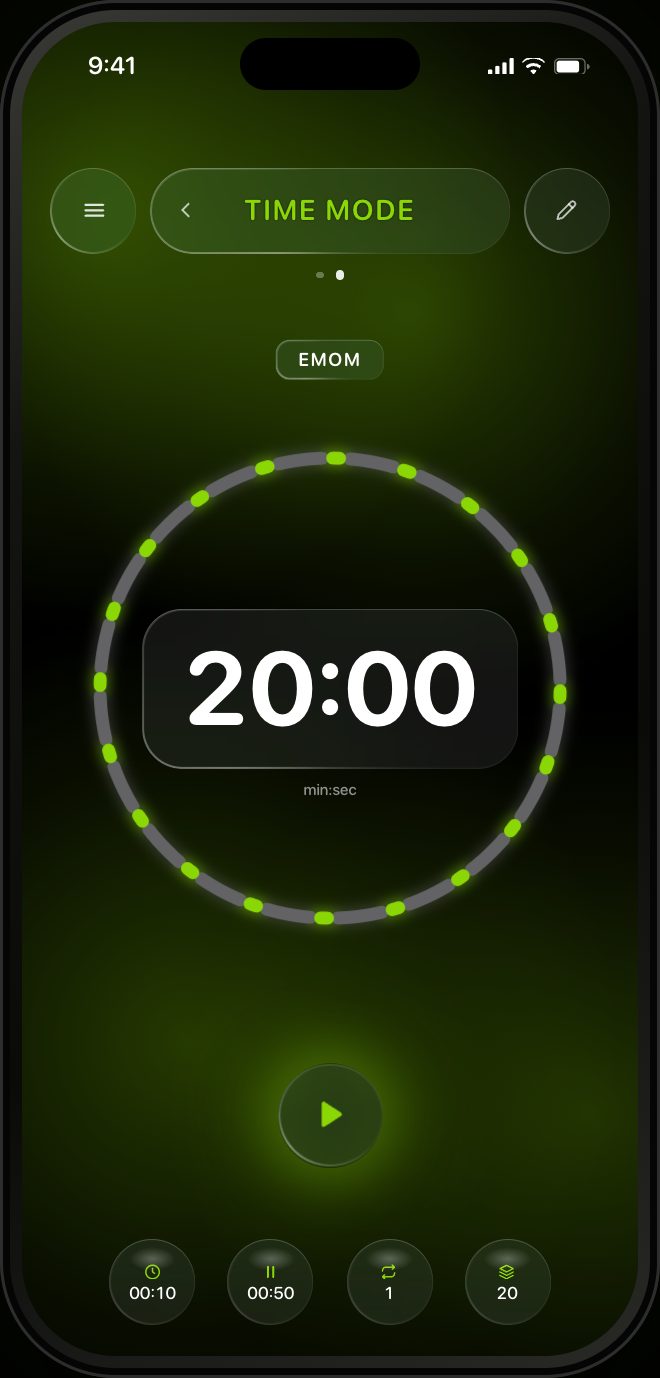
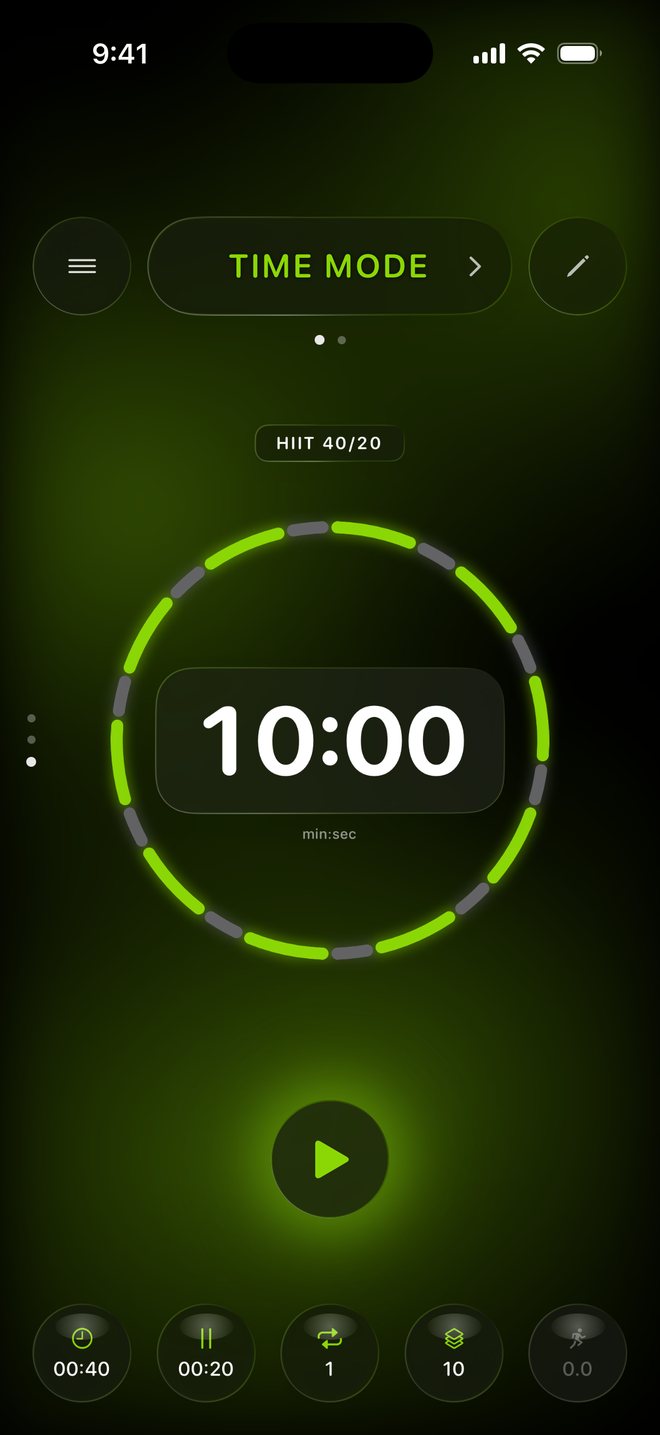
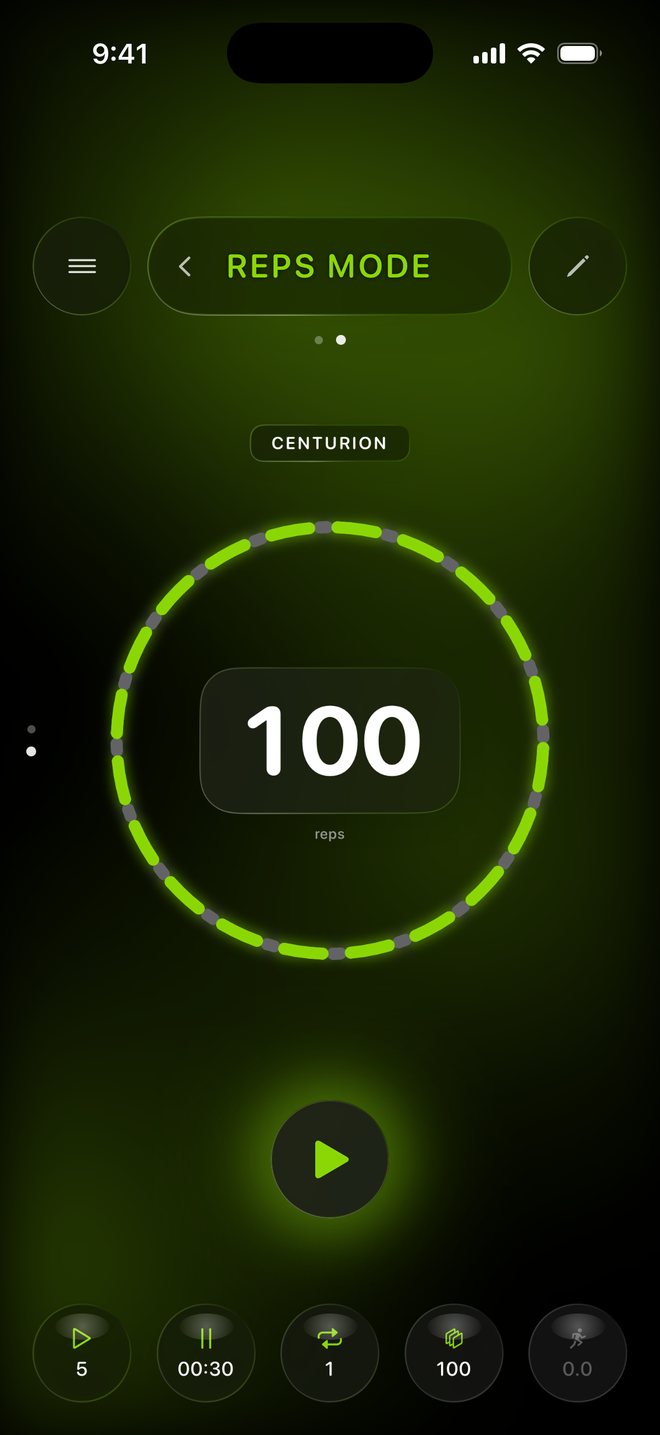
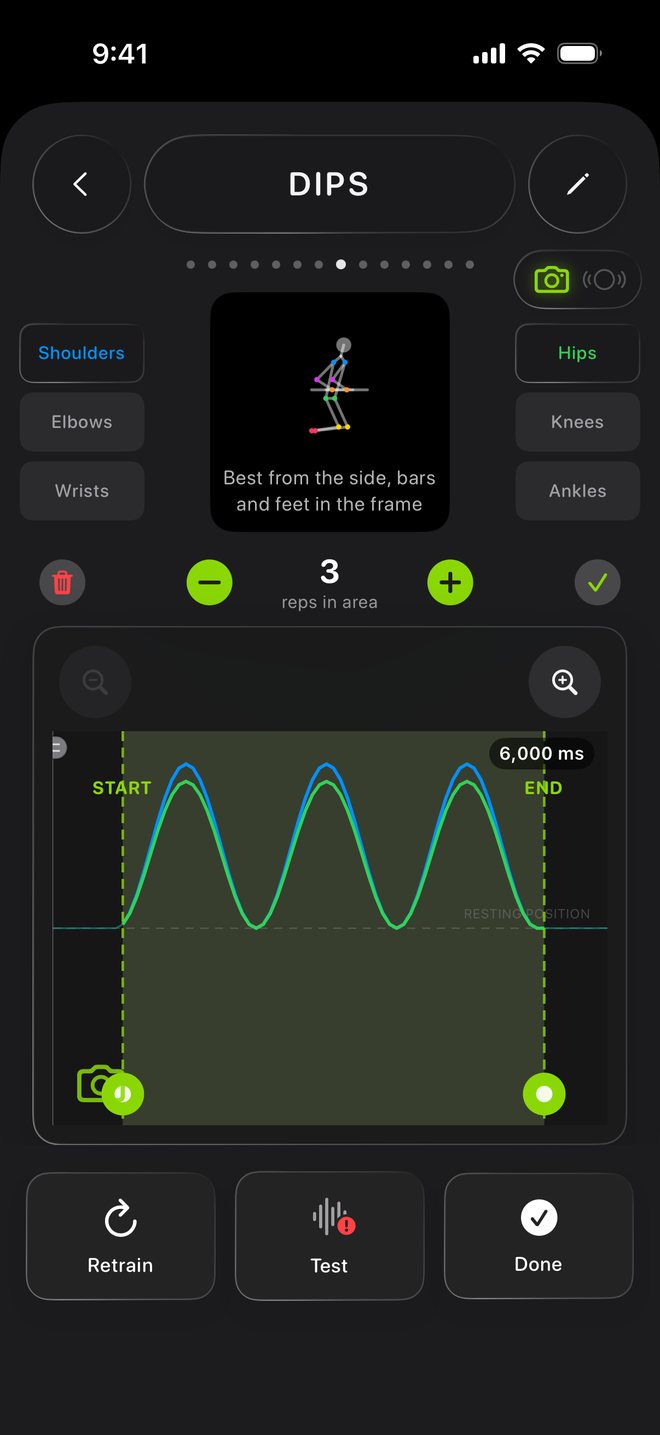
How to time your plank with RankTime
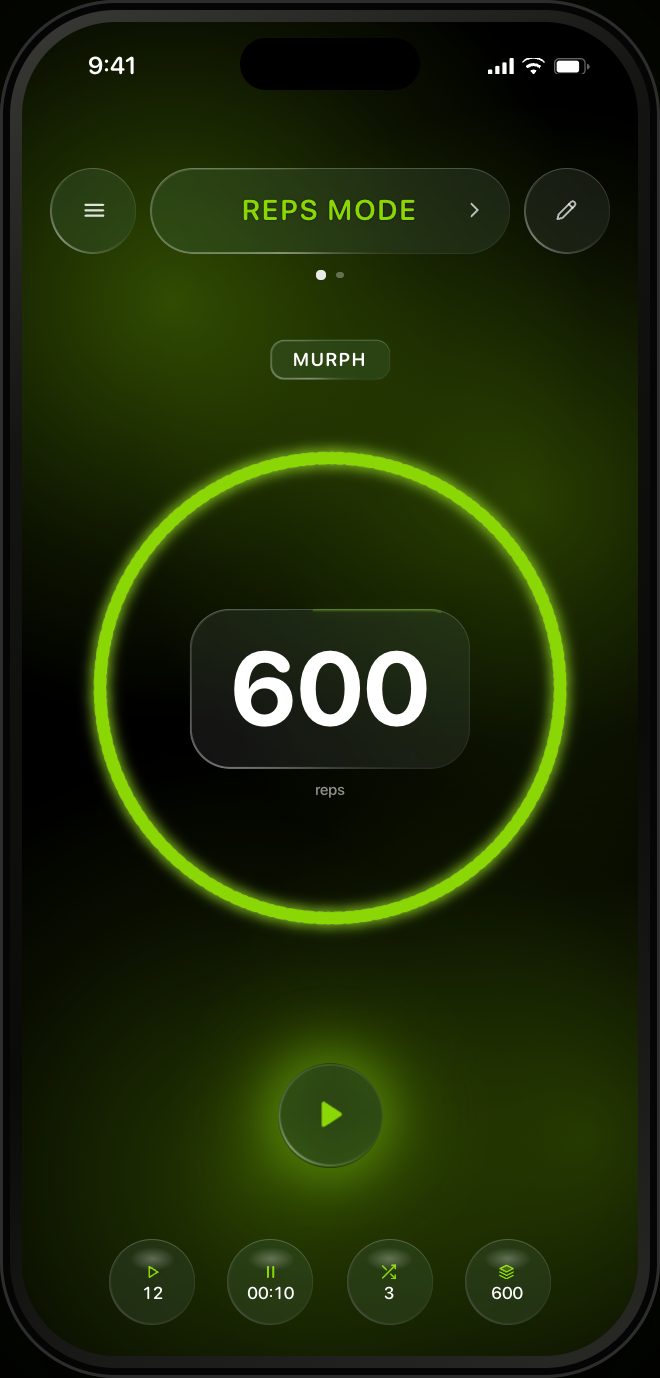
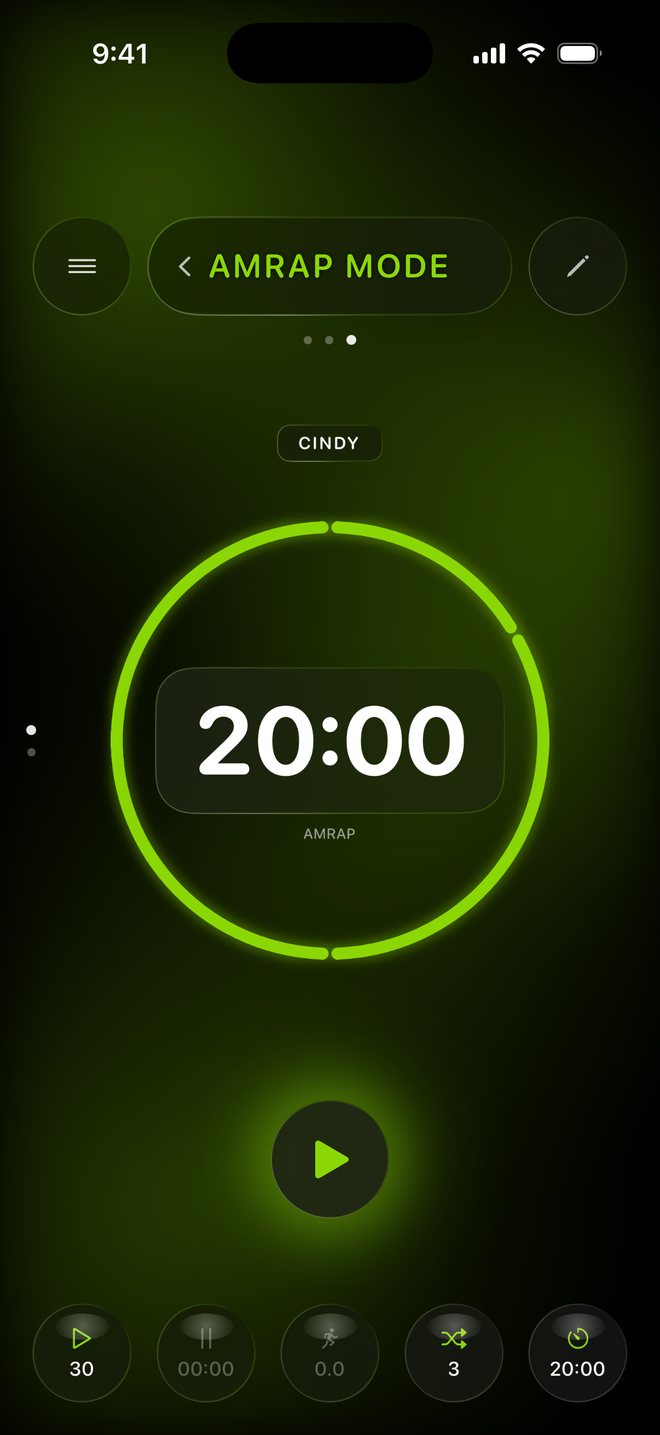
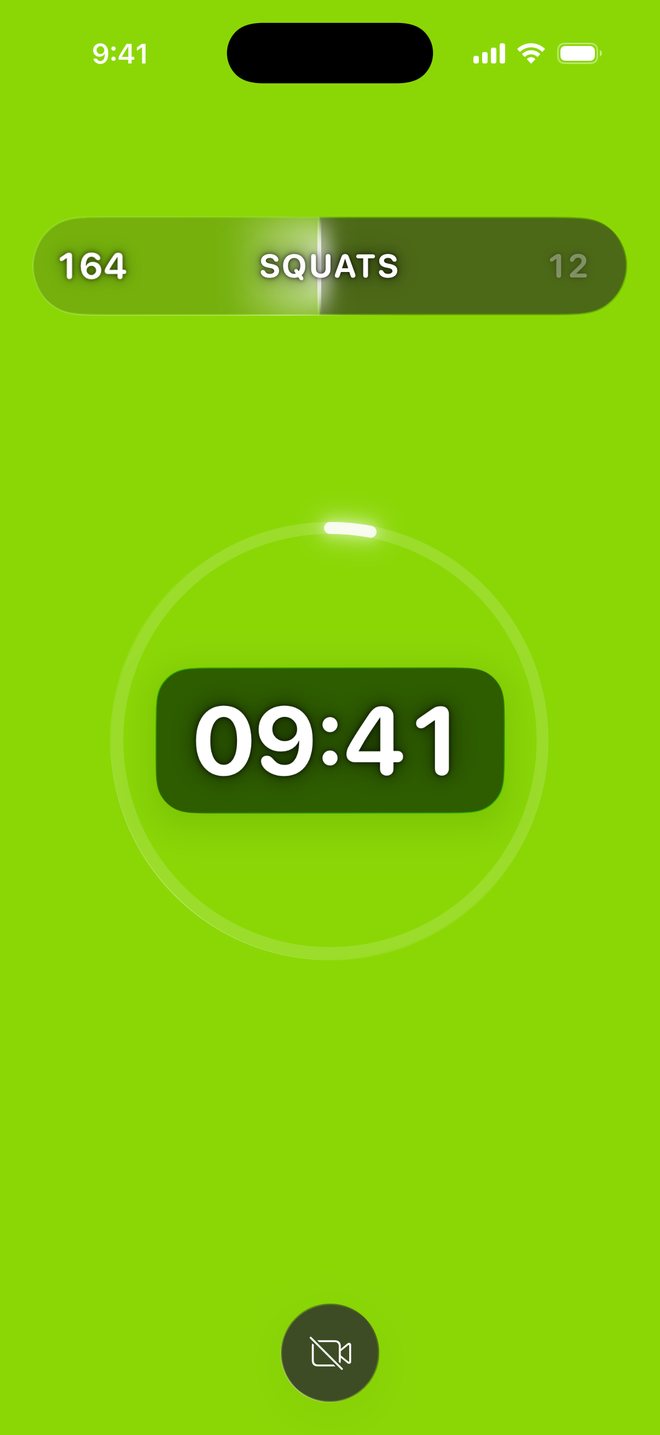
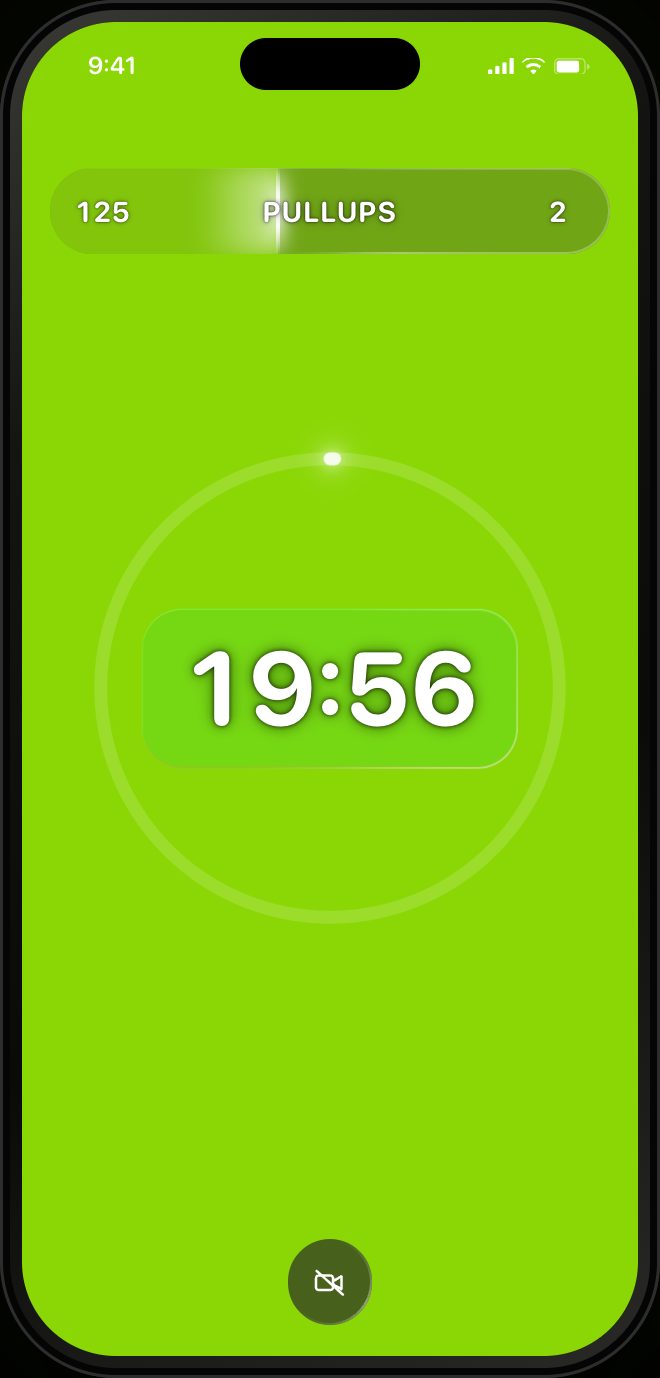
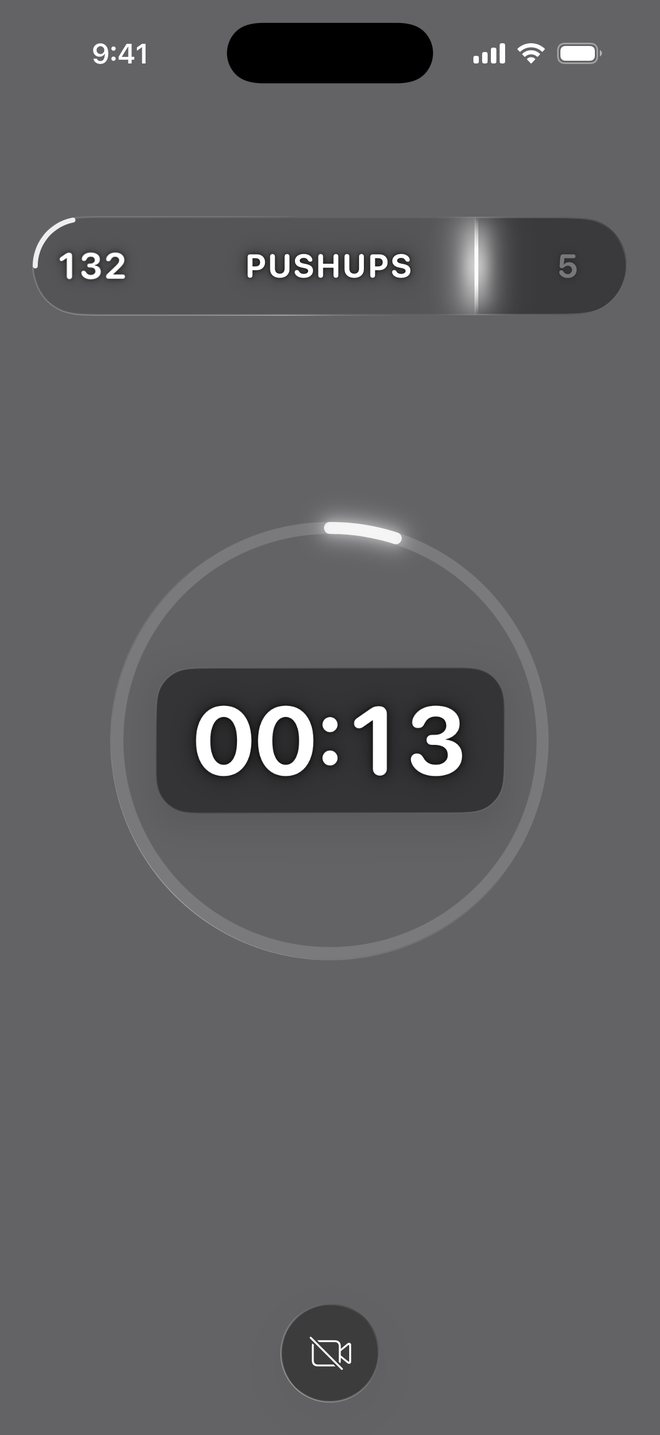
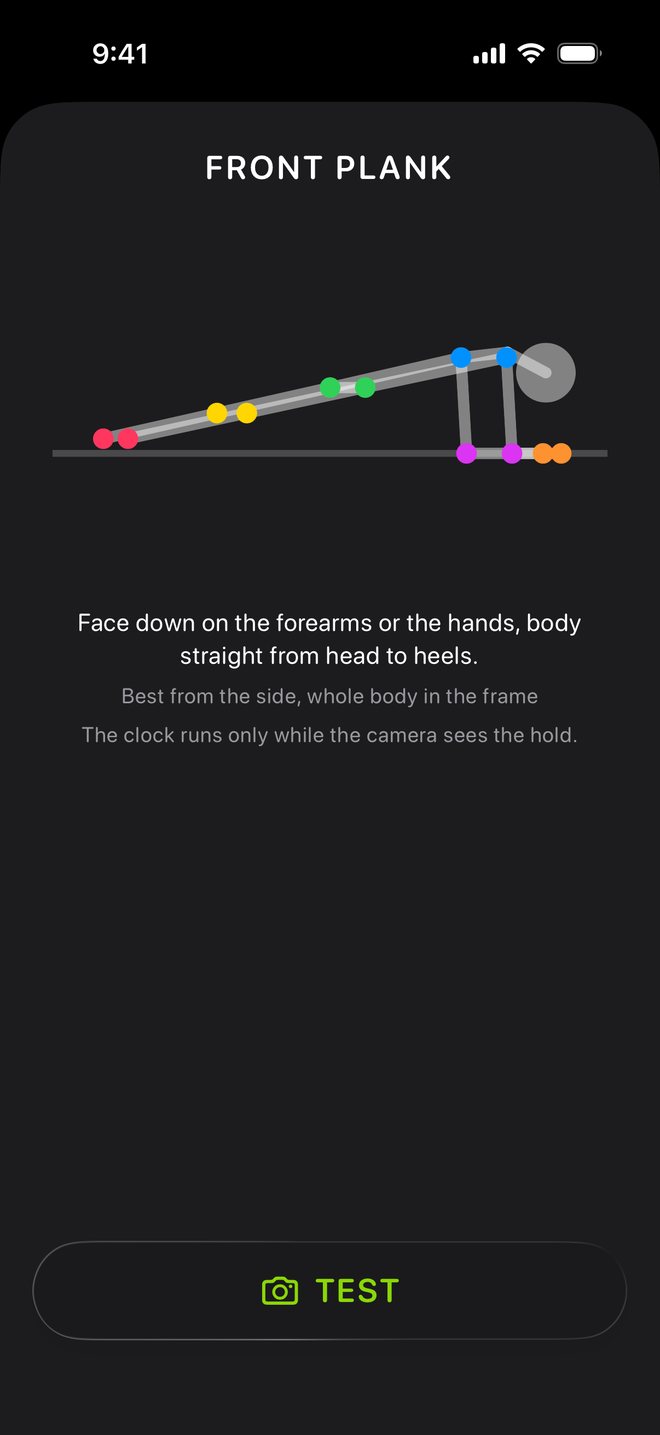
RankTime counts the front plank with the camera, one of its six built-in holds. The clock runs only while the camera sees you in the plank: on your forearms or your hands, body straight from your shoulders to your feet. Let your hips sag or rise, or a knee drop, and the clock stops, the screen turns red and, with the voice guide on, you hear "Back in position". It is the test rule above, kept for you.
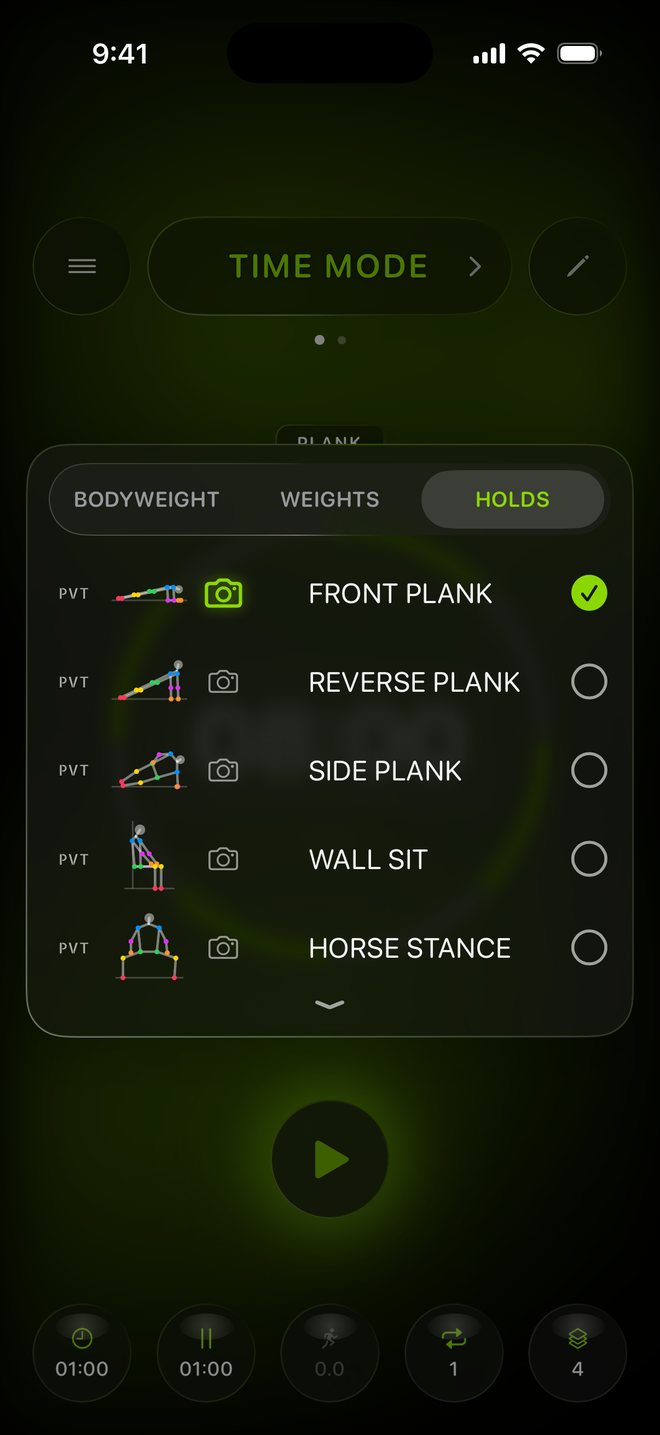
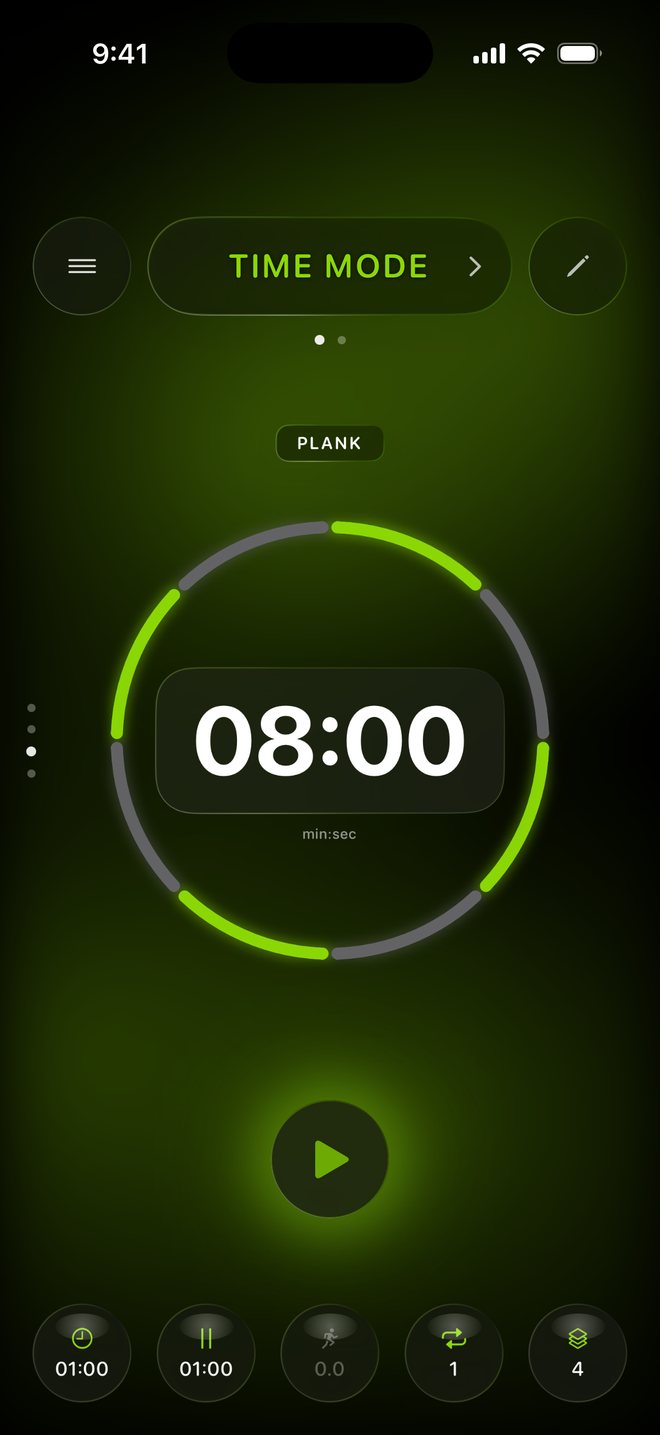
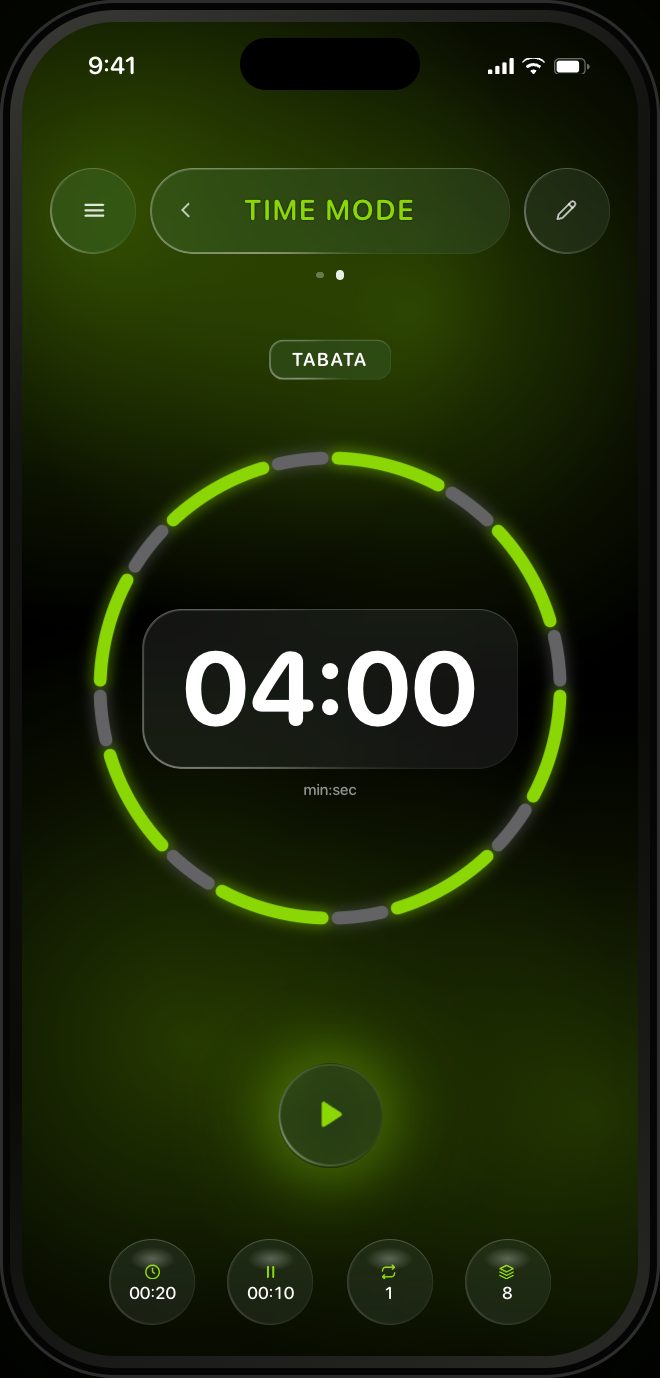
- Pick the hold. Swipe sideways to TIME. Tap the exercises circle, fourth from the left, then the exercise under the ring to open the list. On HOLDS, tick FRONT PLANK and untick the others.
- Set the times. The first circle is how long each hold lasts, the second is the rest, the last is the number of rounds. Holds and rests go from 5 seconds to 10 minutes, in 5 second steps. For the plan: half your max, 1:00 and 4.
- Keep it. Once you change the page, the pencil at the top right turns into a tick, with a + under it. Tap the + and name it, say PLANK: it is saved as a new workout next to this one, a swipe up or down away.
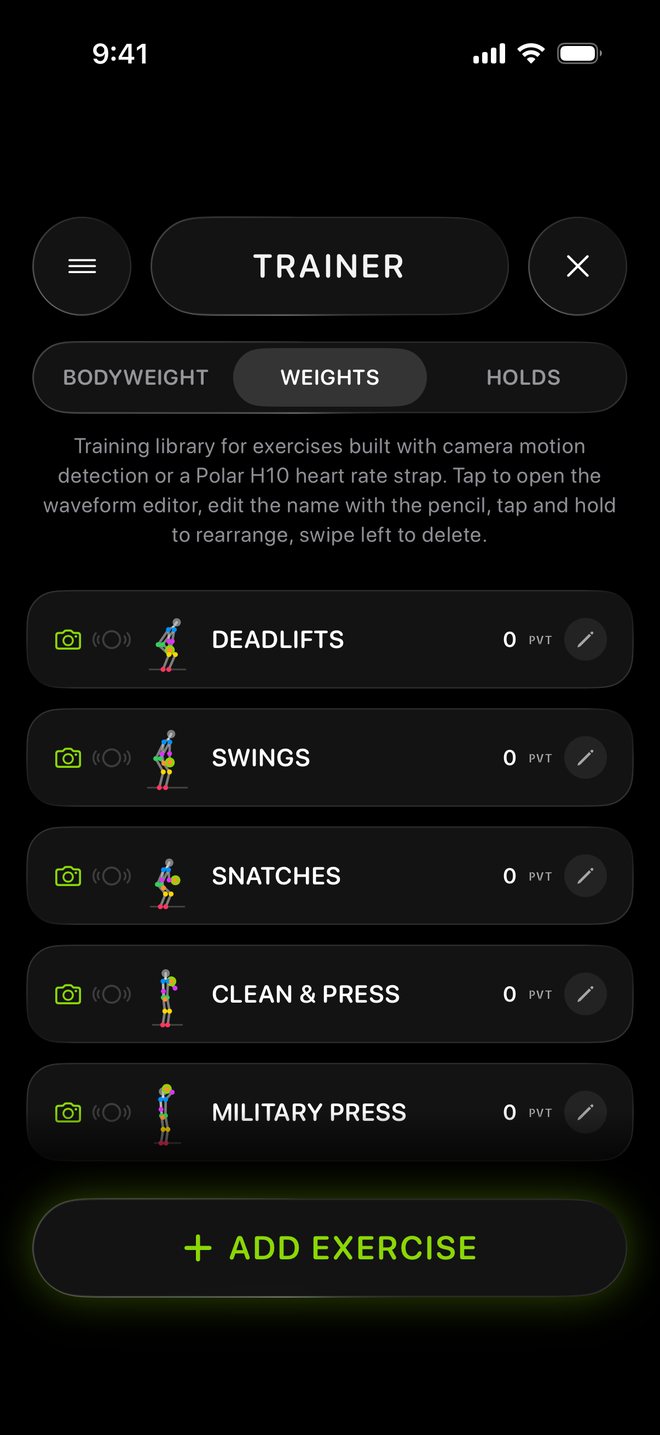
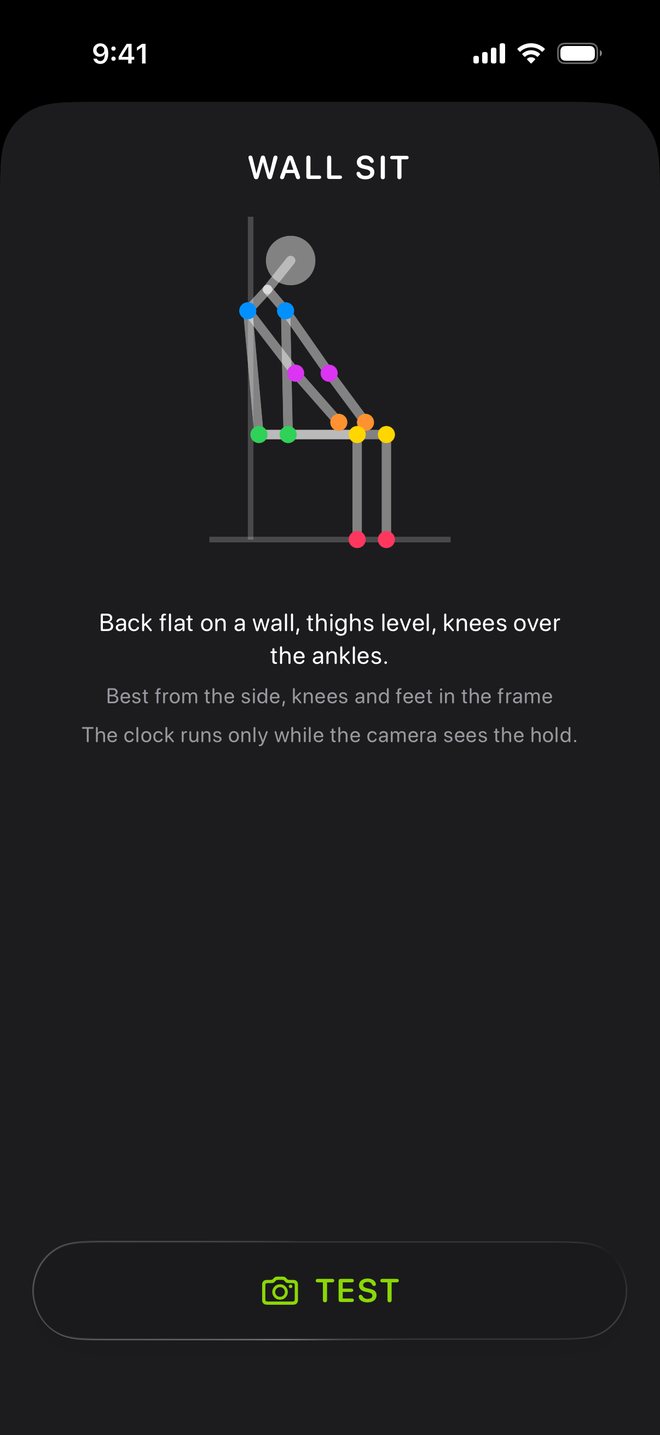
- Set up the phone. Stand it side-on, with your whole body in the frame. The camera turns on by itself when a workout has a hold. To check the spot first, open Trainer, HOLDS, FRONT PLANK and tap TEST: it counts the seconds held.
- Press play and hold. Each hold counts down only while you are in position, then the rest starts by itself.
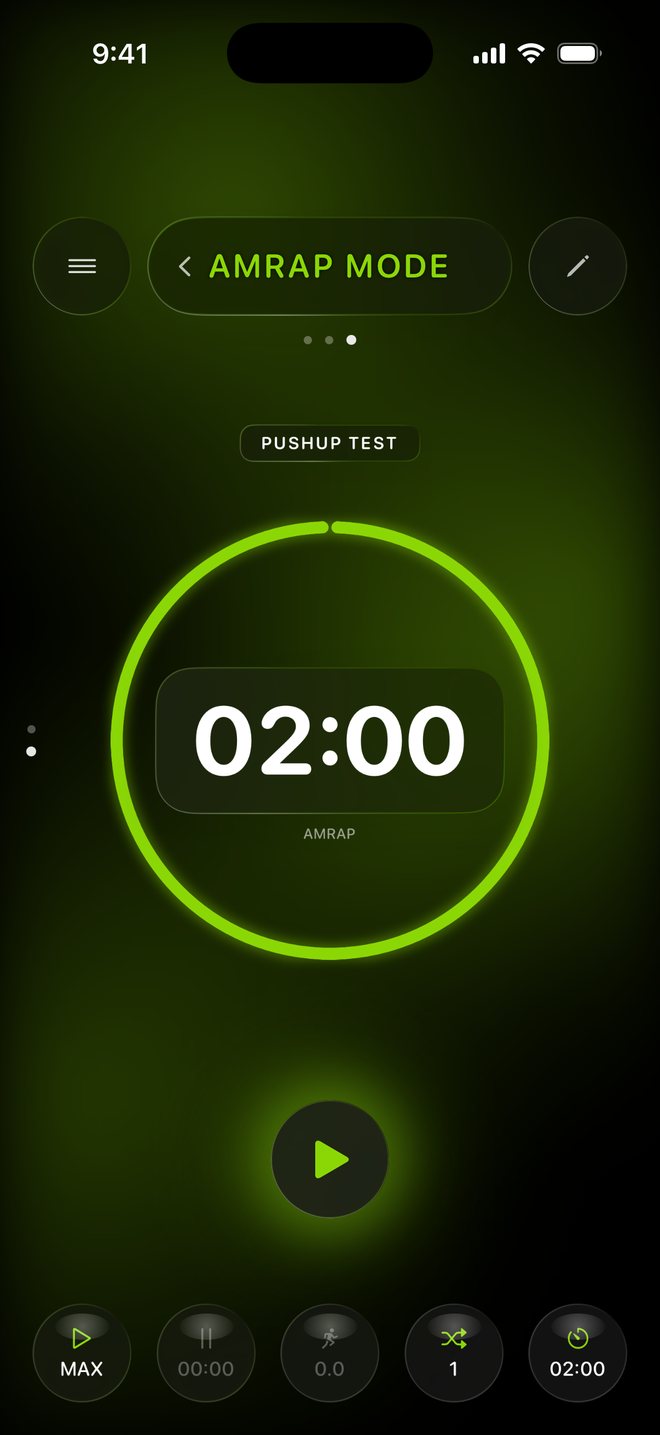
For test day, set one hold of 10:00 and 1 round. Hold until your form breaks, then tap the pill to pause and the red X to end the workout: the seconds you held are saved with it. For all three planks, swipe up or down on TIME to PLANKS, a saved workout of front, side and reverse plank, 30 seconds each, 3 rounds, with the side plank done on each side in turn.
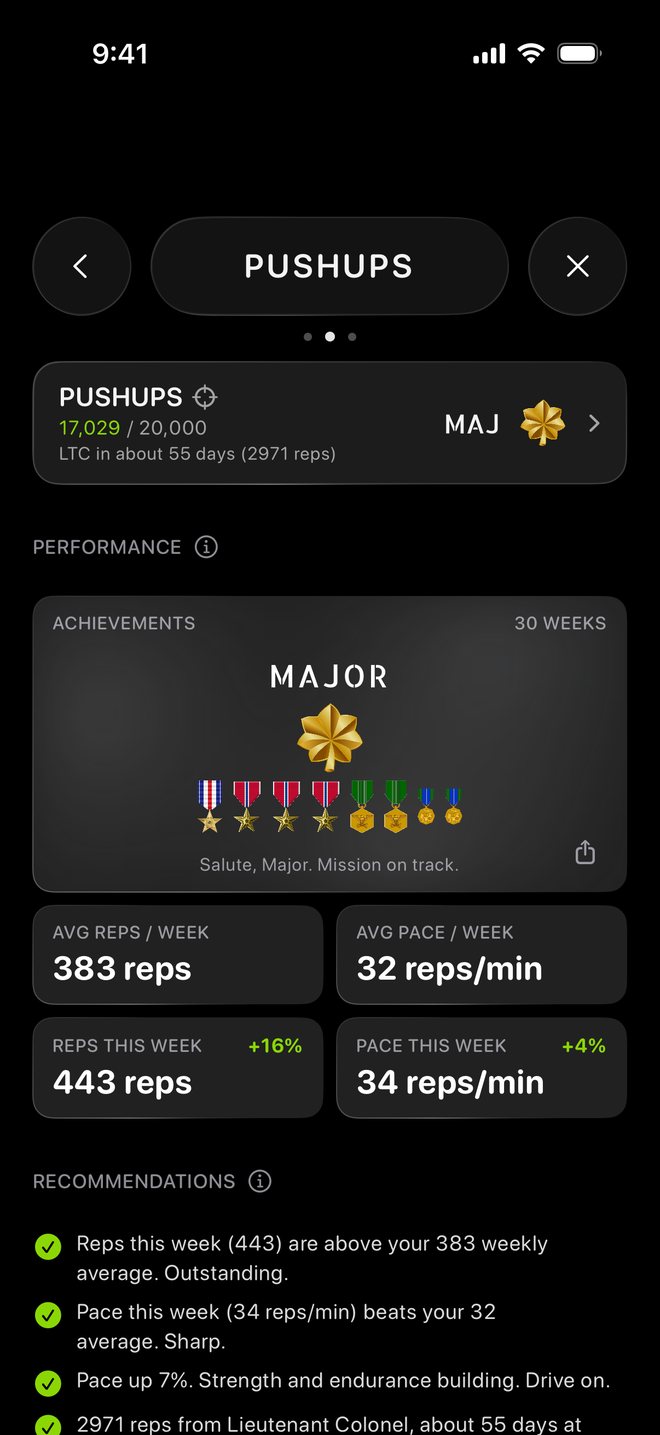
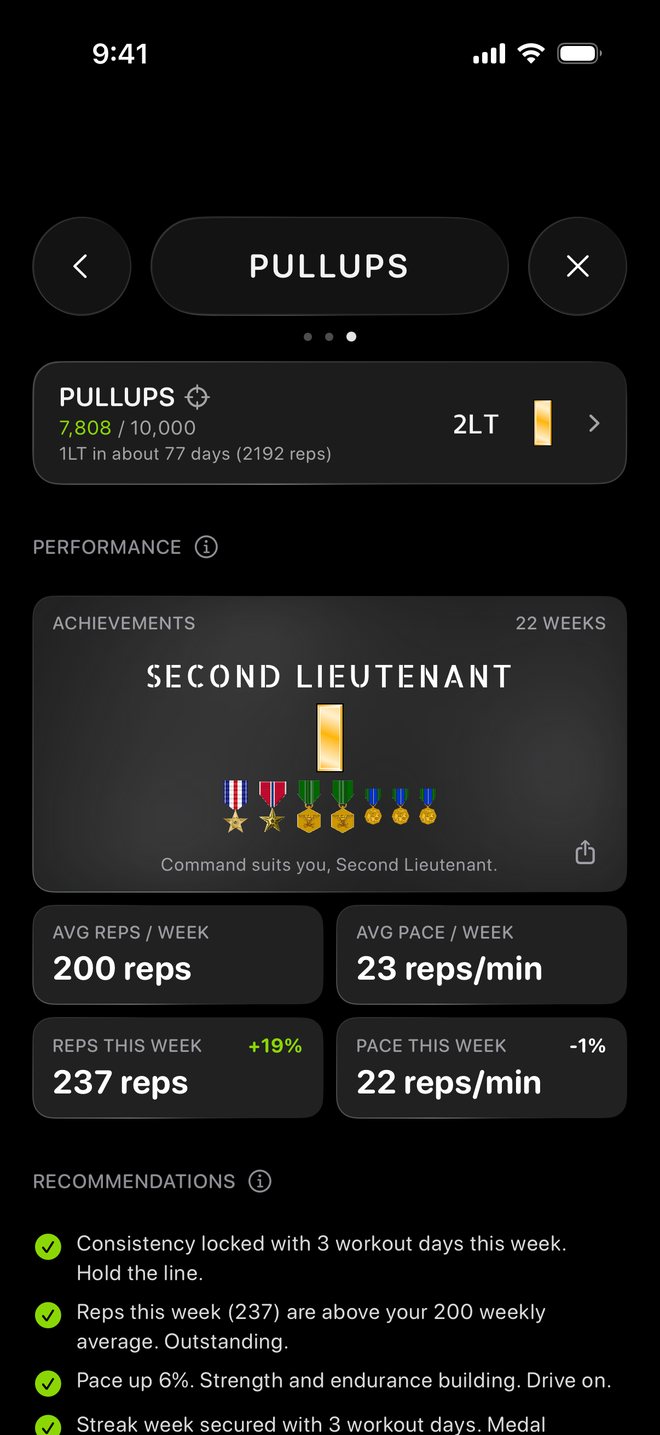
Every 2 seconds you hold count as a rep toward your FRONT PLANK rank, from Private to General of the Armies.
Sources
- Strand SL, Hjelm J, Shoepe TC, Fajardo MA. Norms for an isometric muscle endurance test. Journal of Human Kinetics, 2014.
- Chase KA, Brigham CE, Peterson JT, Coste SC. Fitness norms for the plank exercise. International Journal of Exercise Science: Conference Proceedings, 2014.
- Ervin RB, Fryar CD, Wang CY, Miller IM, Ogden CL. Strength and body weight in US children and adolescents. Pediatrics, 2014.
- Ervin RB, Wang CY, Fryar CD, Miller IM, Ogden CL. Measures of muscular strength in U.S. children and adolescents, 2012. NCHS Data Brief No. 139, 2013.
- Bohannon RW, Steffl M, Glenney SS, and colleagues. The prone bridge test: performance, validity, and reliability among older and younger adults. Journal of Bodywork and Movement Therapies, 2018.
- US Army. Army Fitness Test score tables, effective 1 June 2025.
- US Marine Corps. MARADMIN 404/21: Forthcoming changes to the physical fitness test, 2021.
- Vispute SS, Smith JD, LeCheminant JD, Hurley KS. The effect of abdominal exercise on abdominal fat. Journal of Strength and Conditioning Research, 2011.
- Jones MD, Tan E, Woo J, and colleagues. Acute blood pressure responses to plank and wall sit isometric exercise in adults. Journal of Hypertension, 2026.
- McEvoy JW, McCarthy CP, Bruno RM, and colleagues. 2024 ESC Guidelines for the management of elevated blood pressure and hypertension. European Heart Journal, 2024.
- Guinness World Records. Longest time in an abdominal plank position (male) and (female).
- Guinness World Records. Oldest man to perform an abdominal plank holds it 10 times longer than he has to, 2025.
Print it: plank times by age, a test log and a 4 week plan
Five printable pages: every plank time in this guide on one page, the plank test with a log for 12 tests, and a 4 week plan to hold longer.
Download the free PDF
Time your planks with RankTime
A plank clock that runs only while the camera sees a straight body, rests timed for you, and a military rank that grows with every hold.

More guides