How to Do Your First Pull-Up and Get to 10
Updated November 7, 2026 · 7 minute read
The pull-up is the exercise most people cannot do on day one, and one of the most satisfying to finally get. The good news: almost everyone can get there with a few weeks of the right practice. Here is a step by step path from hanging on the bar to your first pull-up, and from your first to a set of ten.
Why pull-ups are hard
A pull-up lifts your whole body weight with your back and arms, and very little in daily life trains that. A push-up only moves about two thirds of your weight; a pull-up moves all of it. So the answer is not to try harder, it is to build up the pieces one at a time.
| Main muscles | Lats (the wide muscles of the back), biceps, forearms and grip, with the core holding you still |
|---|---|
| Equipment | A bar. A doorway bar works fine |
| Nice to have | A resistance band and a low bar or sturdy table for rows |
Pull-up or chin-up?
A pull-up uses an overhand grip, palms facing away. A chin-up uses an underhand grip, palms facing you, which brings in more biceps and is usually a little easier. If you are working toward your first rep, chin-ups are a fine place to start. Train both once you can.
Good pull-up form
- Start from a dead hang, arms fully straight.
- Pull your shoulders down first, away from your ears, then pull with your elbows toward your ribs.
- Chin over the bar at the top.
- Lower all the way back to straight arms. A rep that stops halfway is not a full rep.
- No swinging. Keep your legs together and slightly in front of you, body still.
From zero to your first pull-up
Step 1: Hang
Hang from the bar with straight arms for as long as you can, up to 30 to 60 seconds. It builds grip and gets your shoulders used to the position. Then try scapular pulls: from the hang, pull your shoulders down without bending your arms, so your body rises a few centimeters. Three sets of 5 to 10.
Step 2: Rows
Lie under a low bar or a sturdy table, hold the edge, and pull your chest up to it with your body straight. The more upright you are, the easier it is. Three sets of 8 to 12, getting lower over the weeks.
Step 3: Negatives
Stand on a box or jump so your chin is above the bar, then lower yourself as slowly as you can, aiming for 3 to 5 seconds. This is the single best builder for your first pull-up. Three to five sets of 3, with a full rest between them.
Step 4: Assisted pull-ups
Loop a resistance band over the bar and put a foot or knee in it, or keep a toe on a chair behind you. Do full pull-ups with just enough help to finish them. Use less help every week.
Step 5: Your first rep
Once you can lower slowly for 5 seconds and do 8 assisted reps with a light band, try a real one at the start of your session, when you are fresh. When it comes, keep doing single reps with full rest before chasing more.
From one pull-up to ten
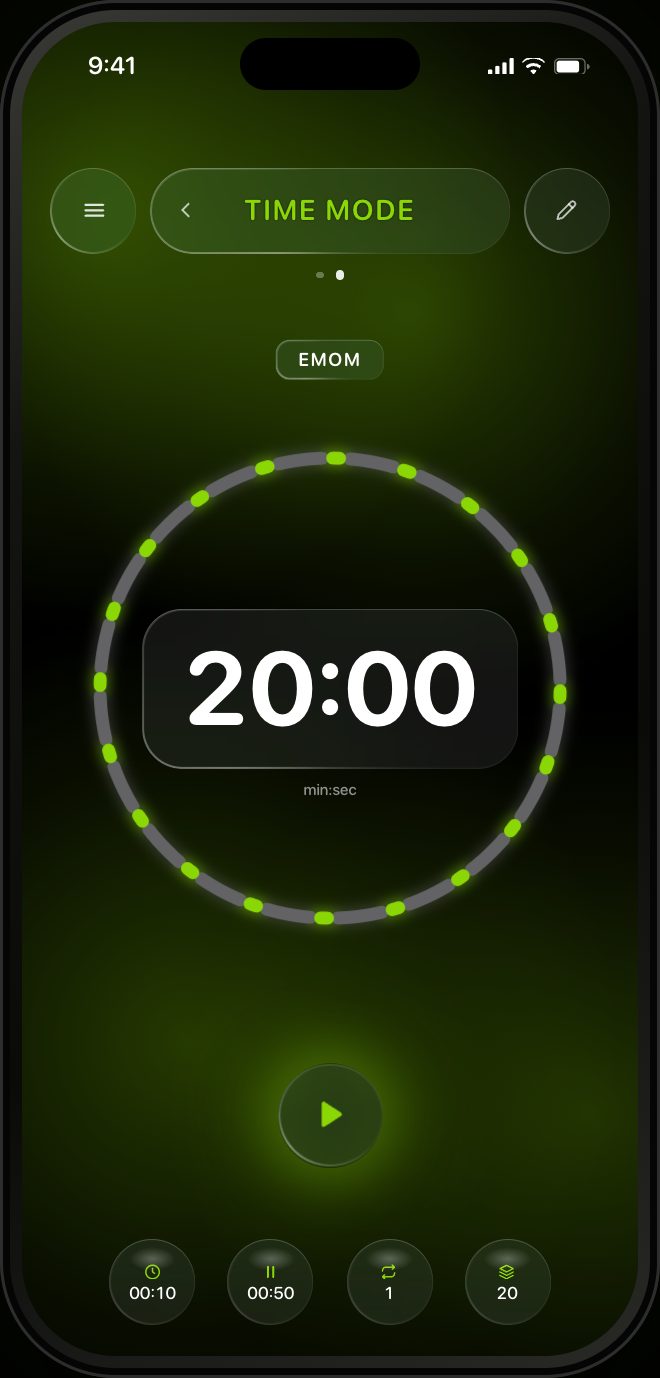
- Lots of easy sets. Small sets of 1 to 3, never to failure, add up quickly. An EMOM is perfect for this: 2 pull-ups at the start of every minute for 10 minutes is 20 clean reps. See the EMOM guide.
- Grease the groove. Do one easy set every time you pass the bar during the day, about half your max. It trains the movement without tiring you.
- Ladders. 1 rep, short rest, 2 reps, short rest, 3 reps, then start again at 1. Stop the ladder when a rep slows down.
- One max set a week. Test your best set once a week, at the start of a session, to see the progress.
- Keep doing negatives at the end of a session, after your full reps.
A simple 8 week plan
| Weeks 1 and 2 | Hangs, scapular pulls and rows, 3 times a week |
|---|---|
| Weeks 3 and 4 | Add negatives: 4 sets of 3, slow |
| Weeks 5 and 6 | Assisted pull-ups with a band, 3 sets of 5 to 8, plus negatives |
| Weeks 7 and 8 | Try a full rep at the start of every session, then assisted reps and negatives |
Everyone moves at their own pace. If a step feels easy, move on early. If it does not, repeat the week. Body weight matters too: losing a few kilos makes every pull-up easier.
How often to train pull-ups
Three sessions a week with a day of rest between them works well for most people. Your elbows and the tendons of your forearms adapt more slowly than your muscles, so if the inside of your elbow aches, cut back for a week and switch grips. Pull-ups pair well with push-ups: one trains pulling, the other pushing, and doing both keeps your shoulders balanced.
How to train pull-ups with RankTime
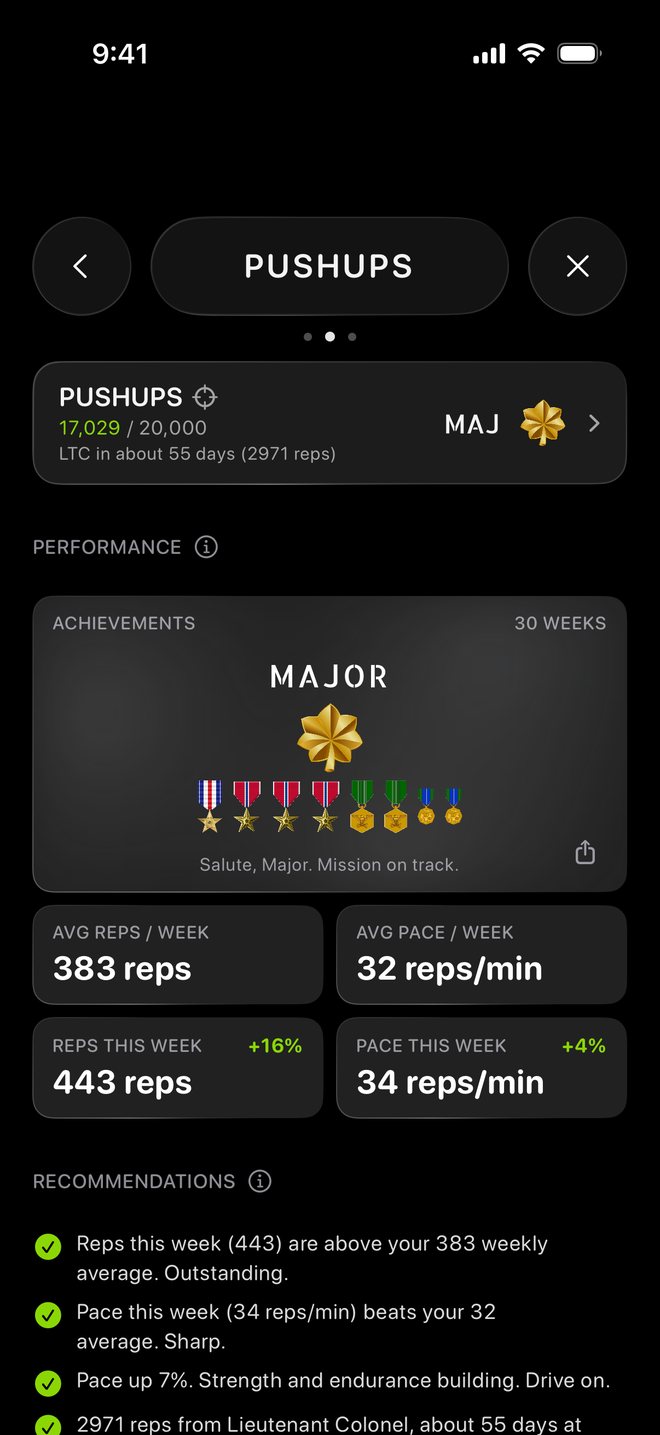
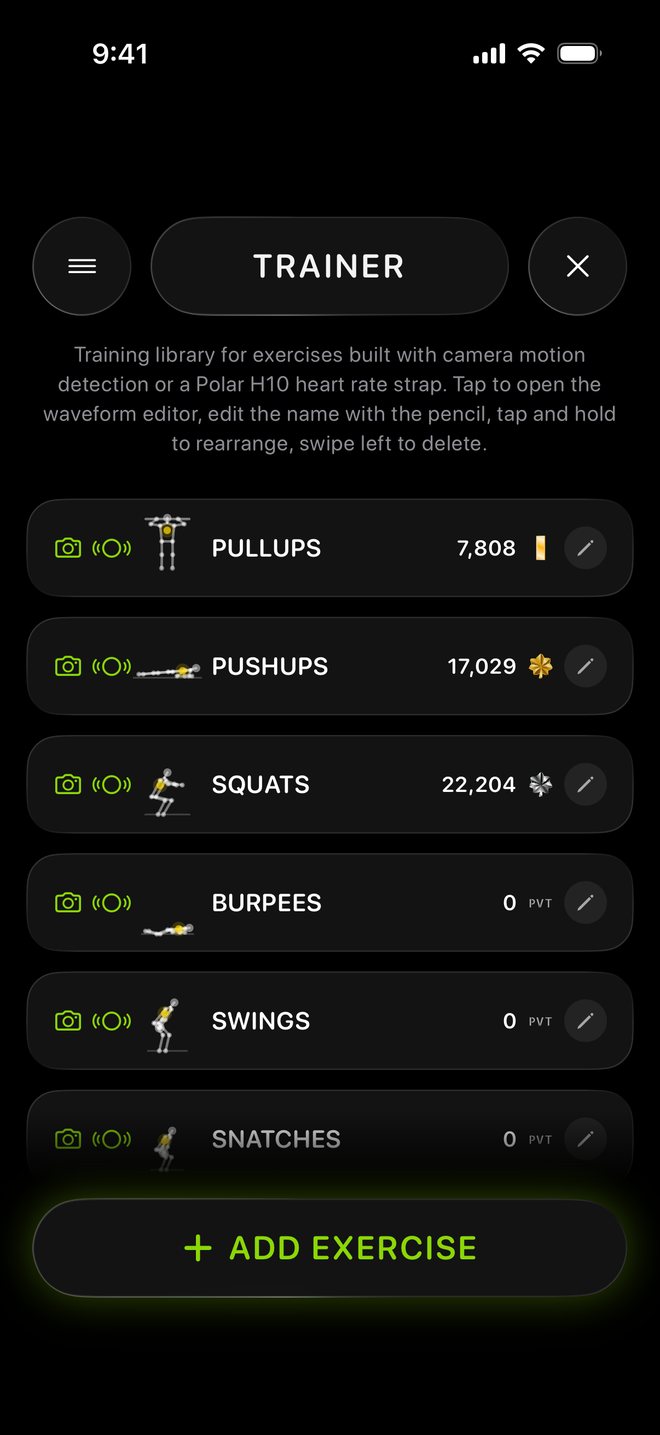
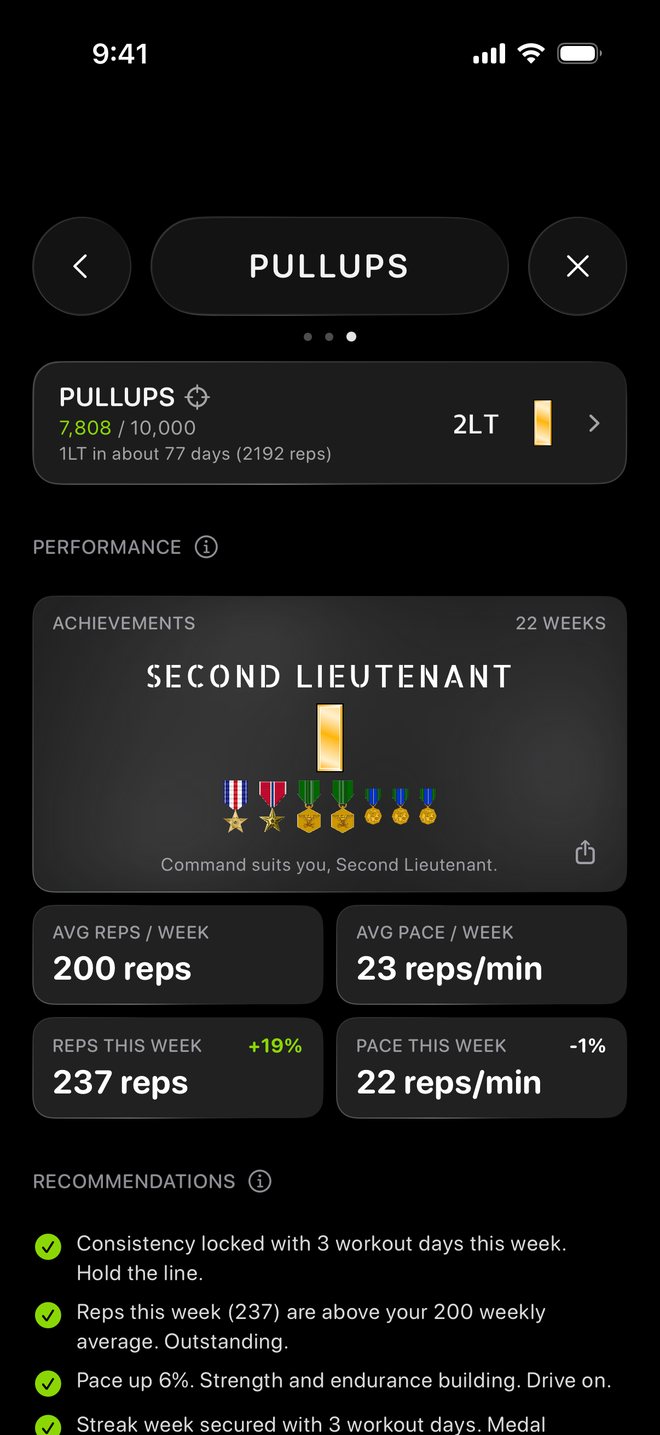
Pull-ups are one of the nine exercises RankTime counts with the camera straight away, from the front, the side or behind. Every rep goes to your pull-up history and your pull-up rank, so you can watch both climb.
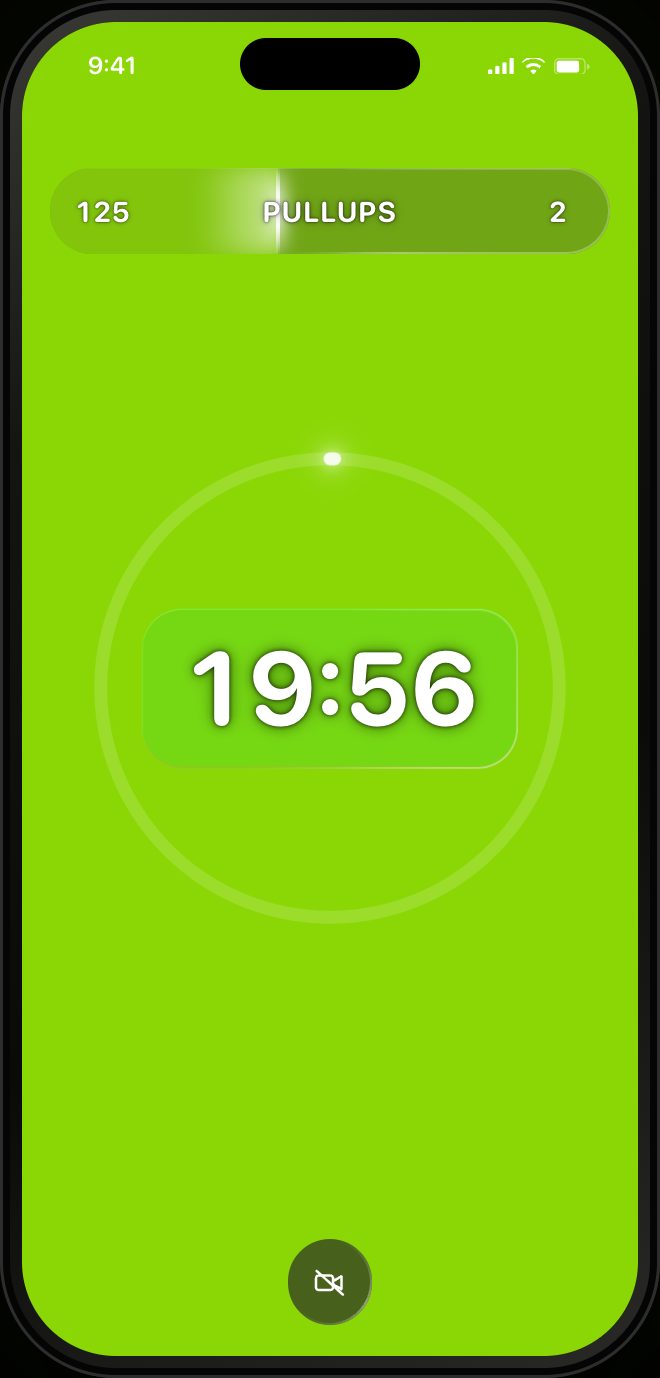
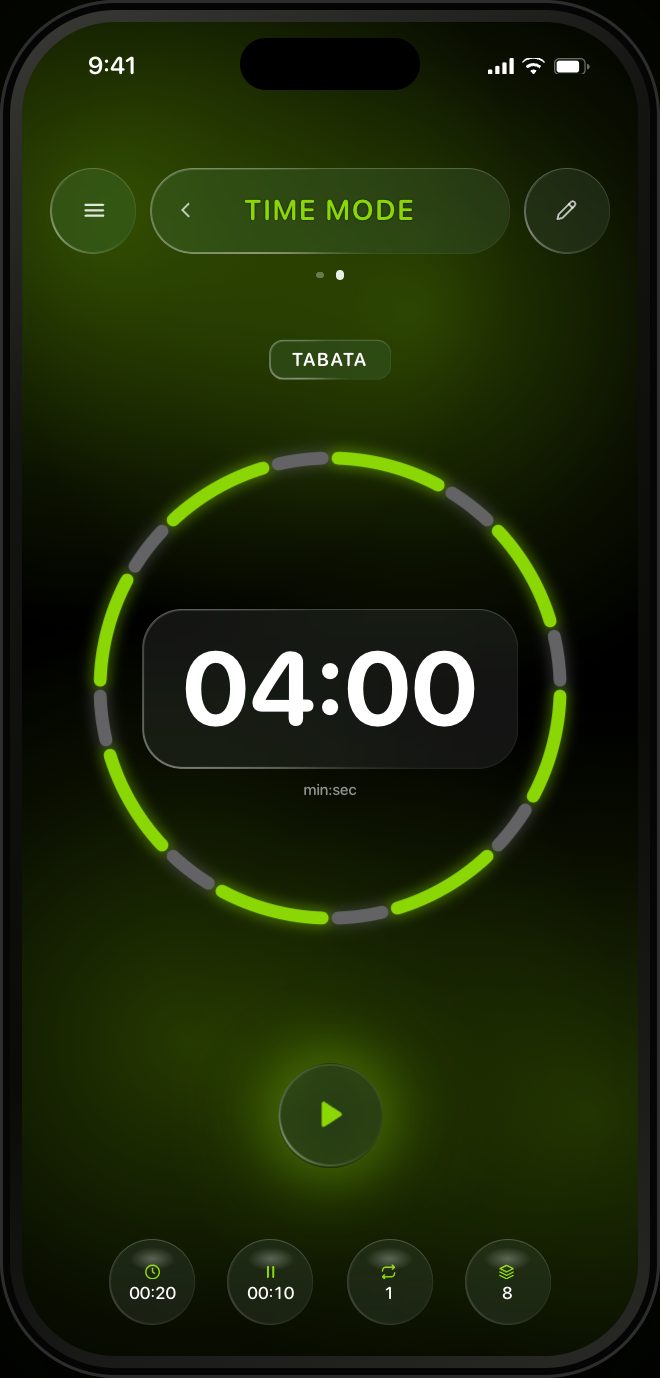
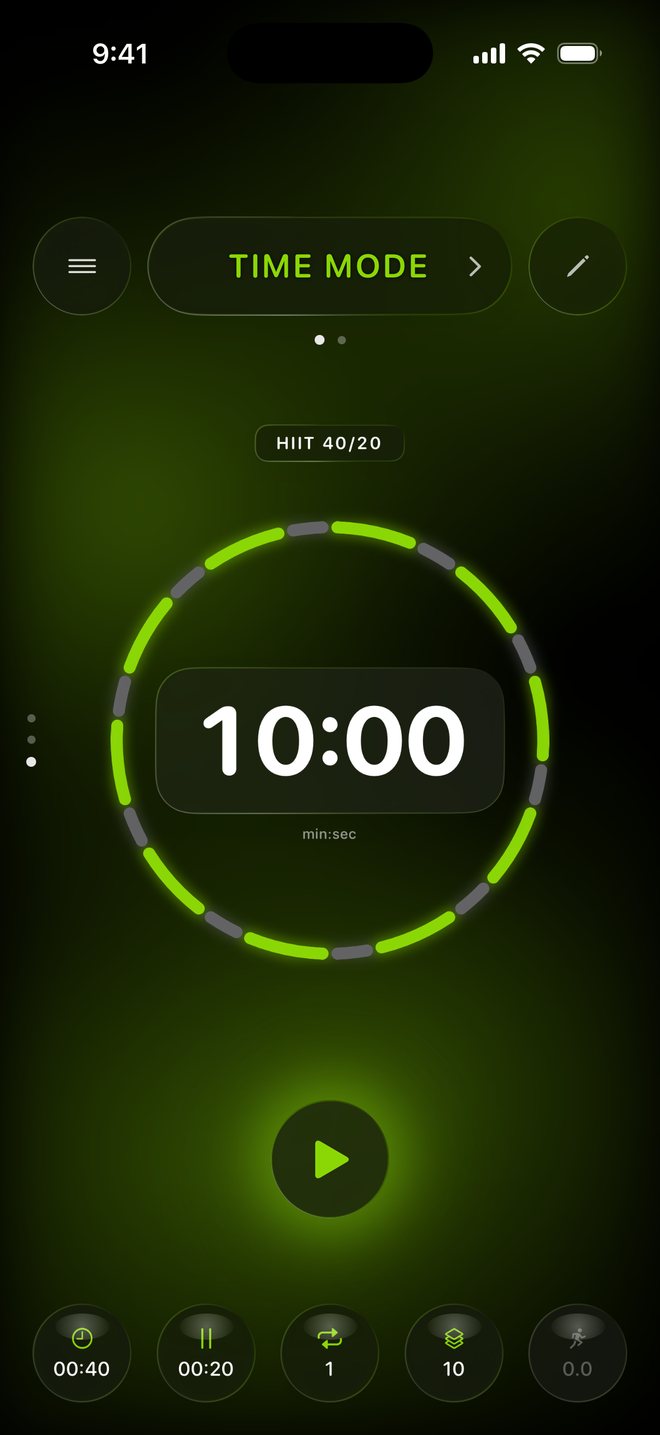
- Open TIME mode and pick the EMOM page, or set your own work, rest and rounds with the circles along the bottom.
- Pick PULLUPS. Tap the exercises circle, tick PULLUPS and untick the rest.
- Prop the phone up about 2 meters (6 feet) away, so the bar and your whole body are in the frame.
- Press play. Pull when the screen turns lime, rest when it turns grey. Sound and vibration cue every change.
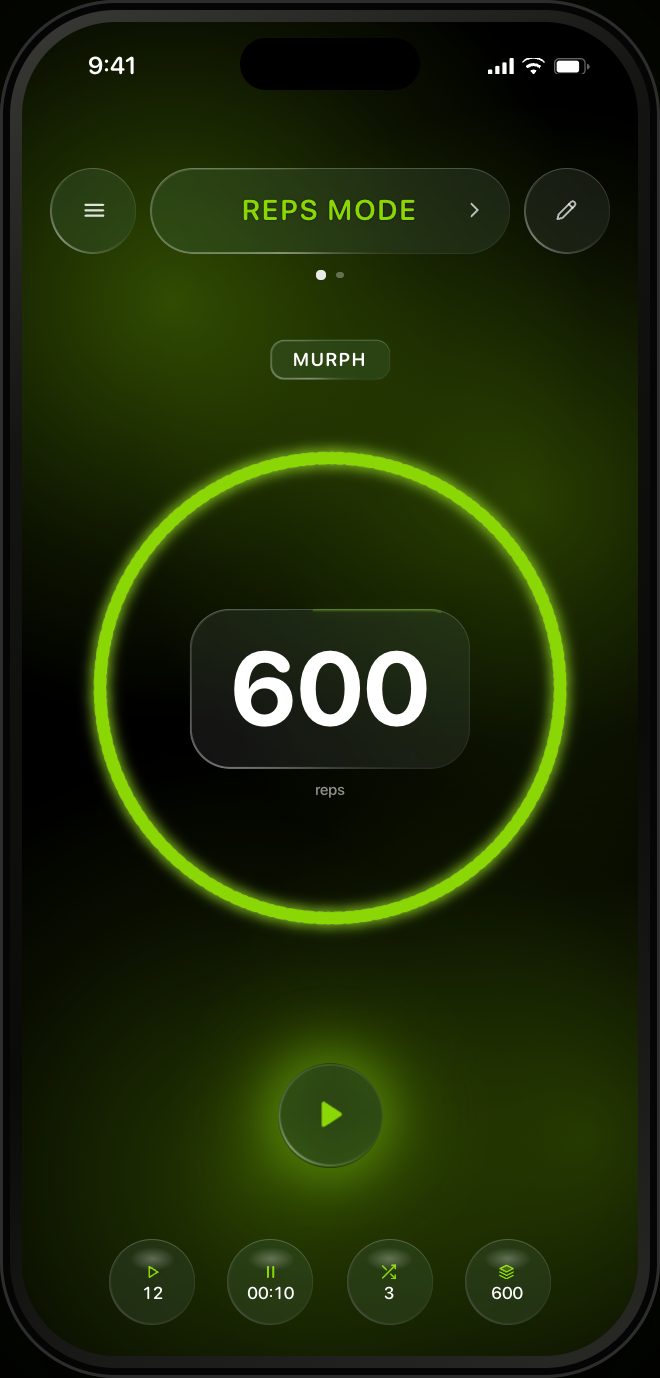
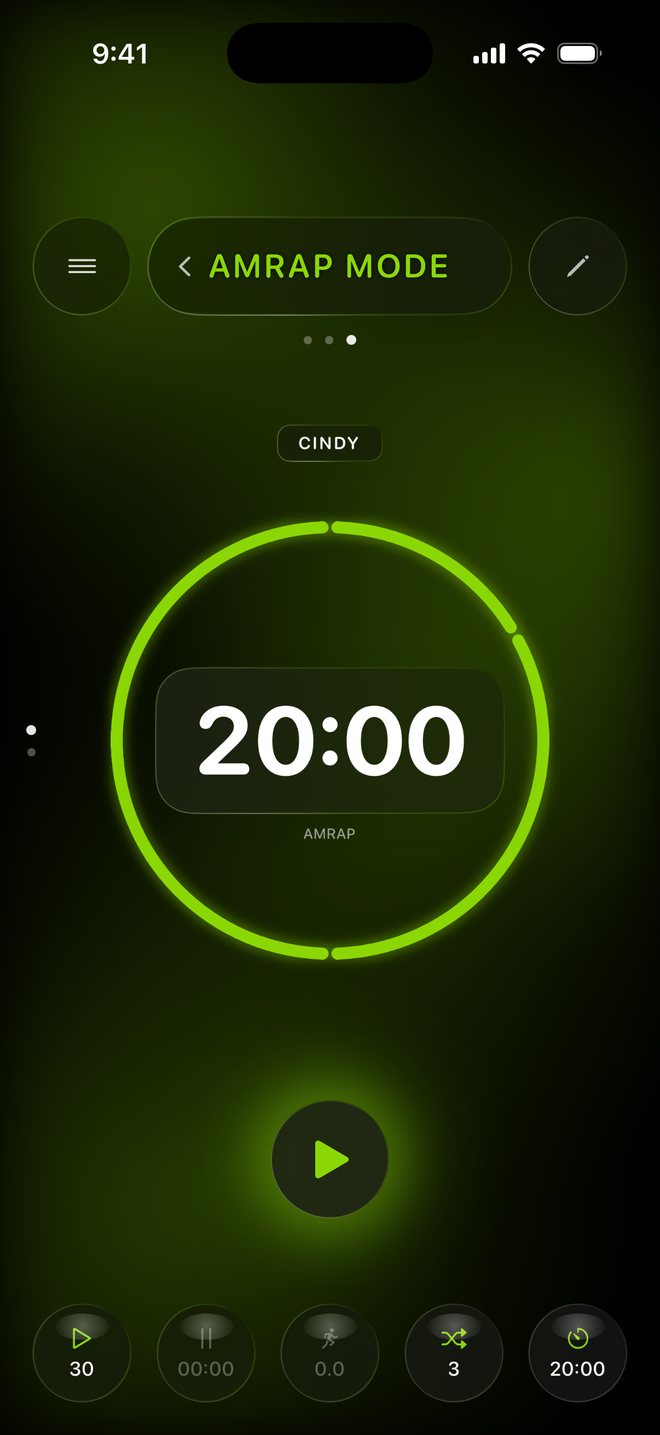
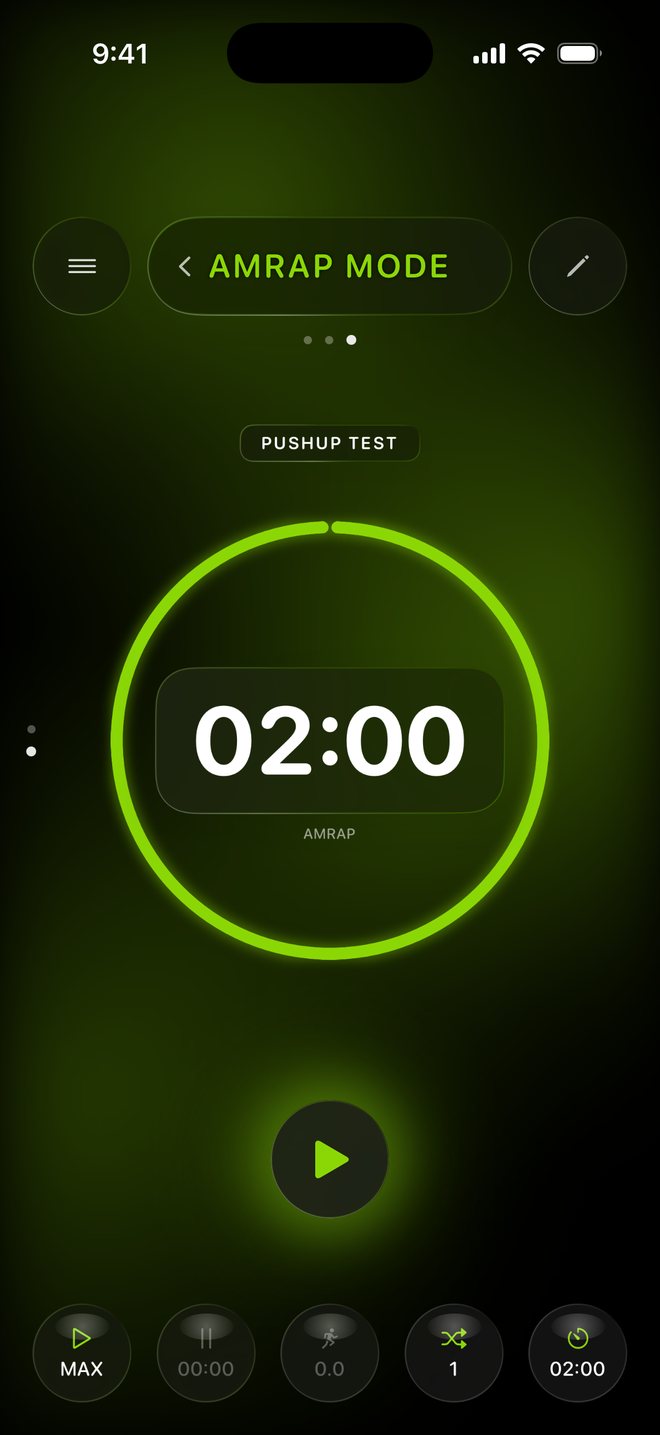
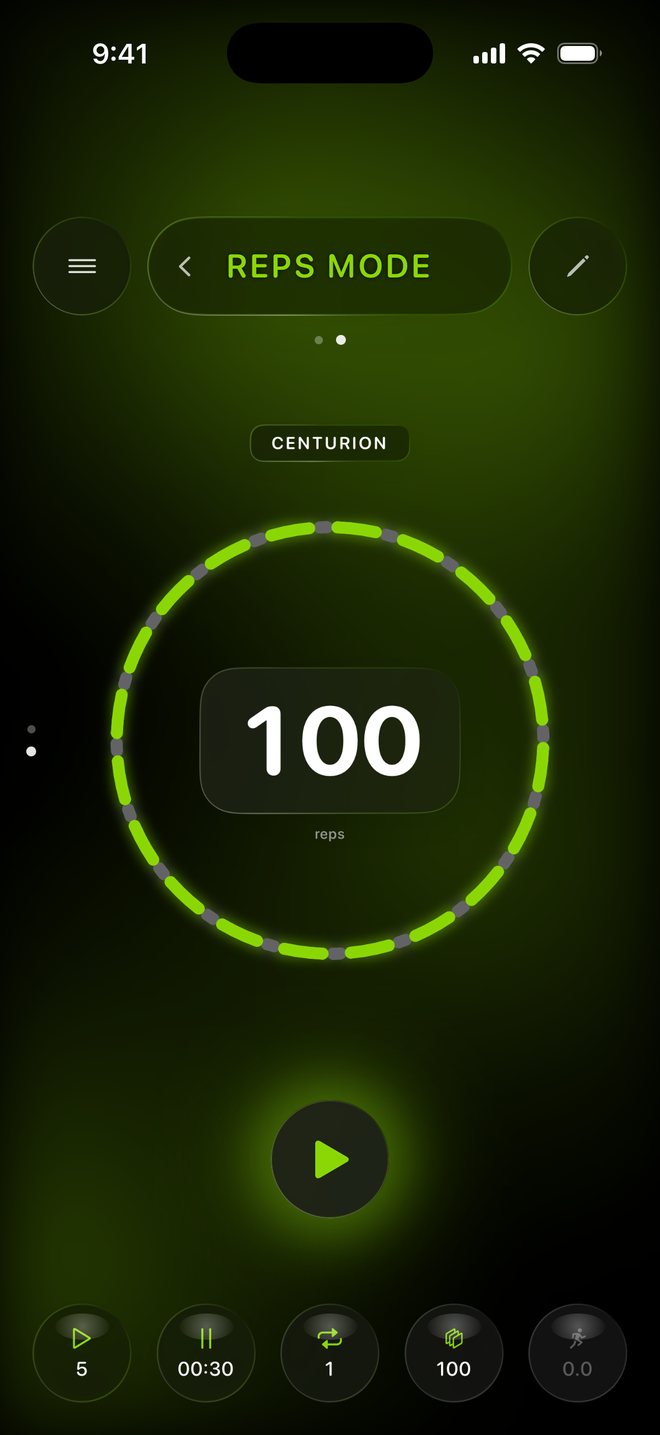
Prefer counting reps? Switch to REPS mode, set your reps per set, and the rest starts on its own as soon as you finish a set. To test your max, swipe to AMRAP and build a one set test like the push-up test, with PULLUPS as the exercise.

Train pull-ups with RankTime
Pull-ups counted by the camera, EMOM built in, heart rate, and a military rank that grows with every rep.

More guides