Isometric Exercises: Planks and Wall Sits
2 guides, each with a free PDF
An isometric exercise is a hold: your muscles work hard while your joints stay still, as in a plank or a wall sit. Holds need no equipment and have no impact, and they are among the best studied exercises for blood pressure: in a 2023 review of 270 trials, holds like these lowered blood pressure more than any other kind of training. These guides give you real hold times by age, how to test yourself fairly, and plans to hold longer.
How long people really hold
| Plank, about 20 years old | Men 2:04 on average, women 1:23, held with good form until it broke (471 college students) |
|---|---|
| Plank, children 6 to 11 | About 1 minute, boys and girls alike |
| Plank, Army pass mark | 1:30 at 17 to 21, down to 1:10 from age 37, the same for men and women |
| Wall sit | Active young adults averaged 88 and 97 seconds in the studies |
Where to start
- How do you compare? Average plank time by age has the real numbers from 6 year olds to adults of 79, and a fair way to test yourself.
- Blood pressure, or strong legs? The wall sit guide has the form, the 4 × 2 minute routine from the research, and workouts from your first 20 seconds.
All isometric exercise guides
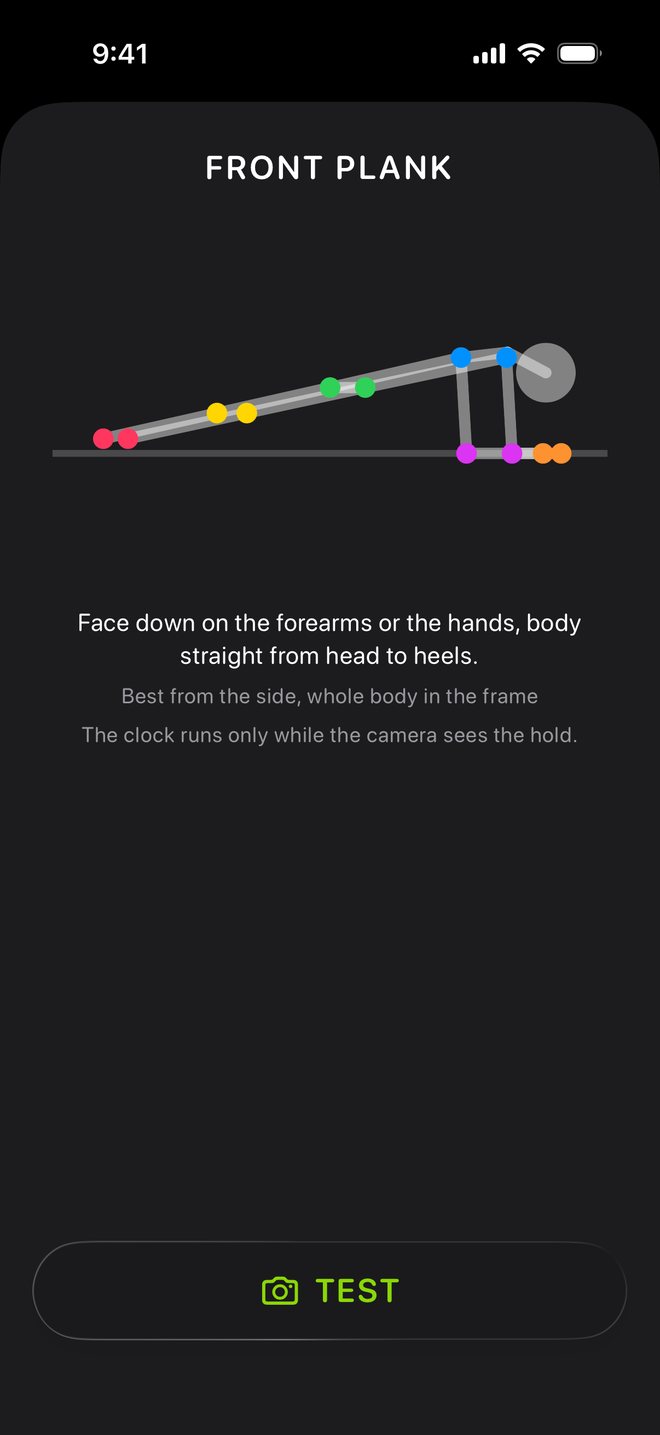
Plank timeAverage Plank Time by Age: How Long Should You Hold a Plank?Real plank times for men, women and children 6 to 15, the Army's plank standard for every age, how to test yourself fairly, and a 4 week plan to hold longer.
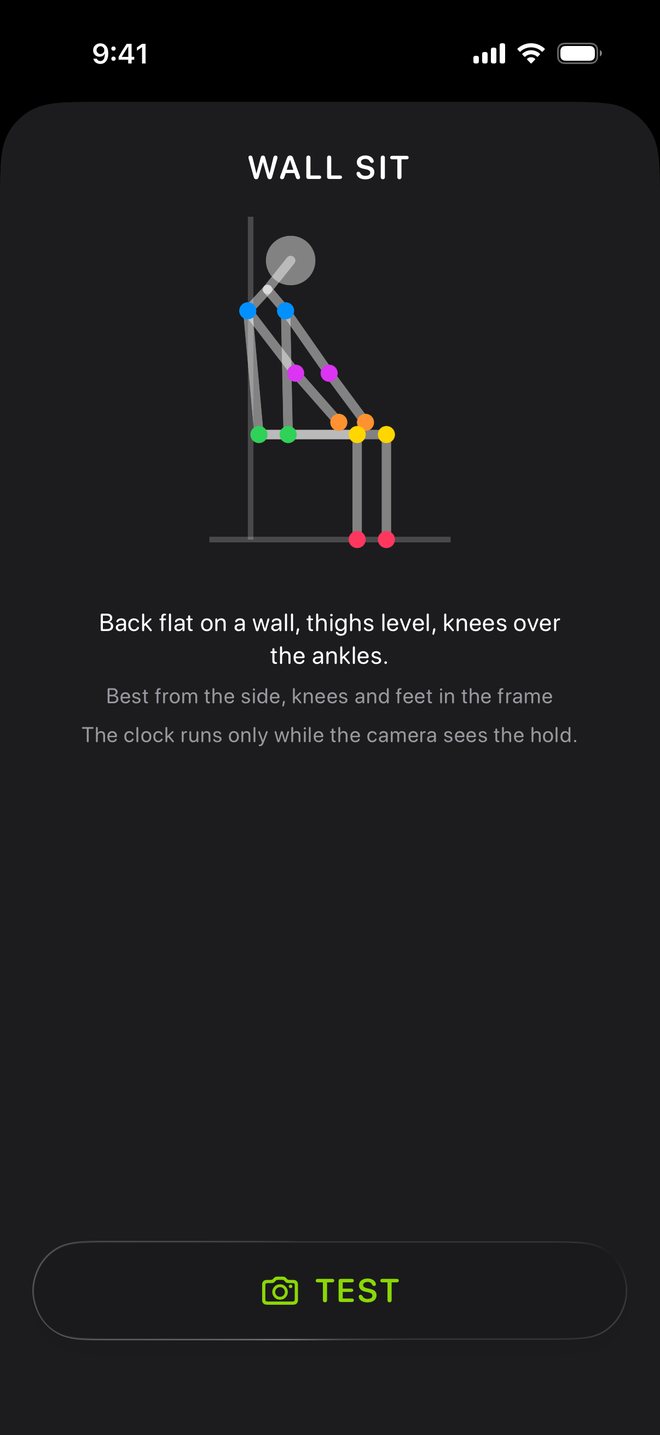
Wall sitWall Sit: How to Do It, Benefits and How Long to Hold ItForm and muscles worked, how long people really hold it, the 4 × 2 minute blood pressure routine from the research, and wall sit workouts for every level.

Time your holds with RankTime
The camera times six holds: the front, side and reverse plank, the wall sit, the horse stance and the handstand. The clock runs only while you hold the position, and every 2 seconds held counts toward your rank.