Kettlebell Swing Workout: Form, Weight and Sample Sessions
Updated November 7, 2026 · 7 minute read
The kettlebell swing is one of the best value exercises there is. One weight, a few square meters of floor, and ten minutes will work your glutes, hamstrings, back, grip and lungs all at once. The catch is that it is a hip movement, not an arm or a squat movement, and most people get that wrong at first. Here is how to swing properly, which weight to pick, and workouts to try.
The kettlebell swing at a glance
| Main muscles | Glutes and hamstrings, with the back, core and grip holding everything together |
|---|---|
| Equipment | One kettlebell |
| Space | About 2 meters (6 feet) in every direction, clear of furniture and people |
| Good for | Hip power, conditioning, and a strong back for everyday lifting |
How to do a kettlebell swing
- Set up. Feet a little wider than your hips, the bell on the floor about a foot in front of you. Push your hips back, keep your back flat, and grab the handle with both hands.
- Hike it. Tip the bell toward you and pass it back between your legs, high up near the groin, like a football snap.
- Snap your hips. Drive your hips forward hard and squeeze your glutes. Stand up tall, like the top of a deadlift. That snap is what moves the bell.
- Let it float. Your arms are just ropes. The bell floats up to about chest height, then falls back on its own.
- Hinge again. Wait for the bell to come to you, then push your hips back as it passes between your legs, and go again.
- Park it. To finish, let the bell swing back one last time and set it down in front of you. Never drop it from the top.
Breathe out sharply at the top of every swing and in on the way down. The rhythm of the breath keeps the rhythm of the swing.
Russian or American swing?
The swing above is the Russian swing, to chest height. The American swing goes all the way overhead. It moves the bell further but puts more strain on the shoulders and lower back for little extra hip work, so start with the Russian swing and only go overhead if your workout calls for it.
Common mistakes
- Squatting it. If your knees bend a lot and your hips drop low, you are squatting. Think hips back, not down. Your shins should stay nearly upright.
- Lifting with the arms. If your shoulders are tired before your glutes, the arms are doing the work. Snap harder and let the arms relax.
- Leaning back at the top. Finish standing straight, not arched backward. Squeeze your glutes and brace your abs.
- Rounding the back. Keep a long, flat back, especially at the bottom. If you cannot, the bell is too heavy or the hike is too low.
- A bell that is too light. A very light bell lets you cheat with your arms. A slightly heavier one forces the hips to work.
Which kettlebell weight to start with
Most beginners start with 8 to 12 kg (18 to 26 lb). People who already lift often start at 16 kg (35 lb), and strong, experienced lifters swing 24 kg (53 lb) or more. If you can do 20 crisp swings with a bell and your form holds on the last one, it is a good working weight. If you are buying one bell, pick the heavier of the two you are deciding between: you will grow into it within weeks.
Kettlebell swing workouts
Beginner EMOM, 10 minutes
Every minute: 10 swings, rest for the rest of the minute. That is 100 swings with plenty of rest to keep every one sharp. More on this style in the EMOM guide.
30 on, 30 off, 10 rounds
Swing for 30 seconds, rest for 30, ten times. A classic conditioning session, and an easy one to make harder week by week: add a round, or move to 40 on and 20 off. See HIIT intervals for other ratios.
Swings and push-ups, 15 minutes
Odd minutes: 15 swings. Even minutes: 10 push-ups. The swing works the back of your body and the push-up the front, and each gets a full minute of rest.
Tabata swings, 4 minutes
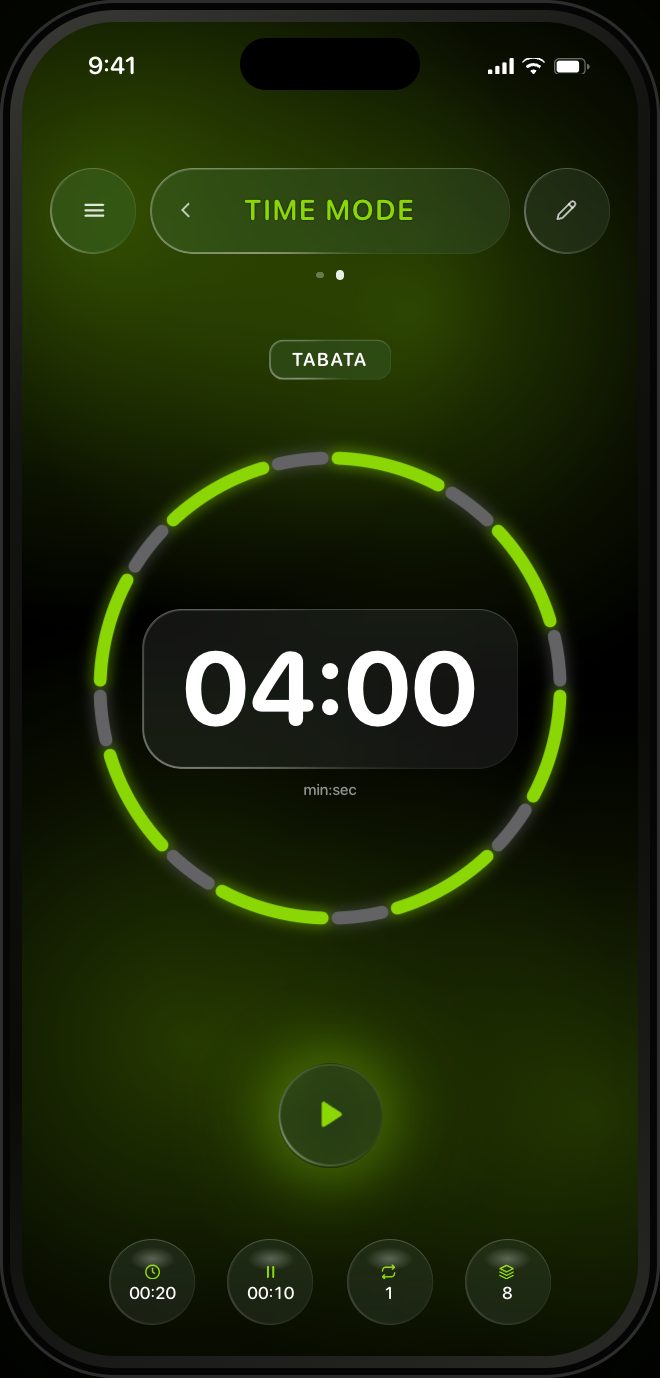
20 seconds of swings, 10 seconds of rest, 8 rounds. Short and very hard. Pick a bell you can swing well while tired. More in the Tabata guide.
The 10,000 swing challenge
A popular program from strength coach Dan John: 10,000 swings in about four weeks, as 500 swings a session over 20 sessions, with a few easy sets of a strength exercise between the swing sets. It is a big jump in volume, so only take it on once 100 swings in a session feels comfortable.
Next step: the kettlebell snatch
The snatch is a one arm swing that finishes with the bell overhead, resting on the back of your wrist. It is harder to learn, but it trains the same hip snap with more shoulder work, and it makes a good test: some kettlebell courses ask for 100 snatches in 5 minutes. Learn a solid one arm swing first, then get a coach or a good video to check your snatch.
How often to swing
Two to four sessions a week is plenty for most people. Swings are hard on the grip and the lower back when you are new to them, so give yourself a day between sessions at first, and stop a set as soon as your back starts to round.
How to do a swing workout with RankTime
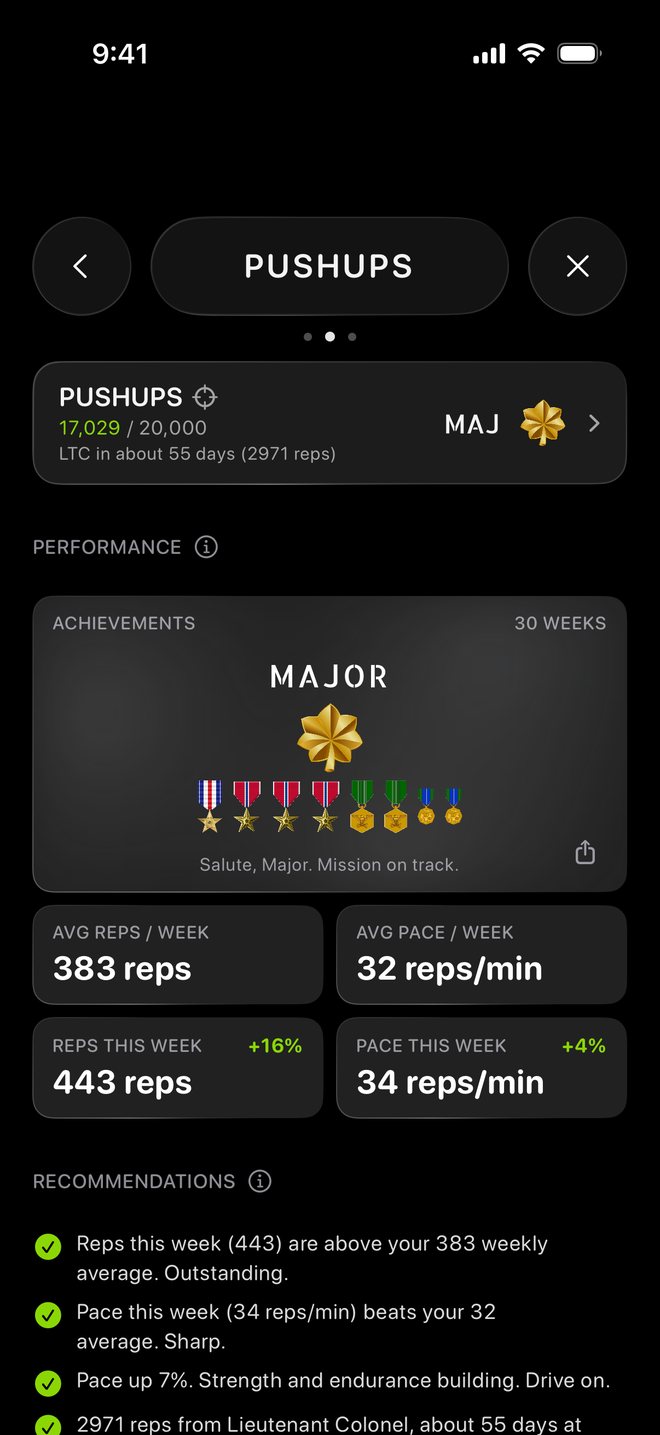
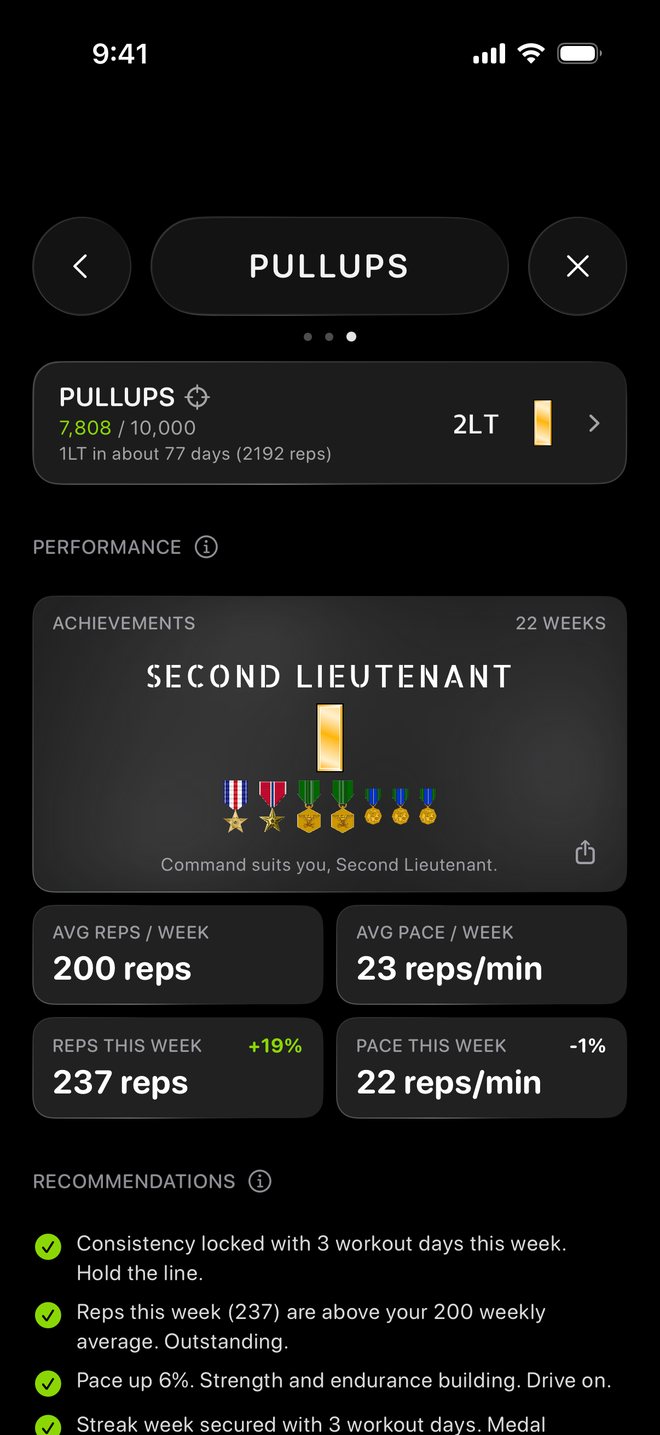
Swings and snatches are among the nine exercises RankTime counts with the camera straight away, from the front, the side or behind. Every swing goes to your swing history and its own rank.
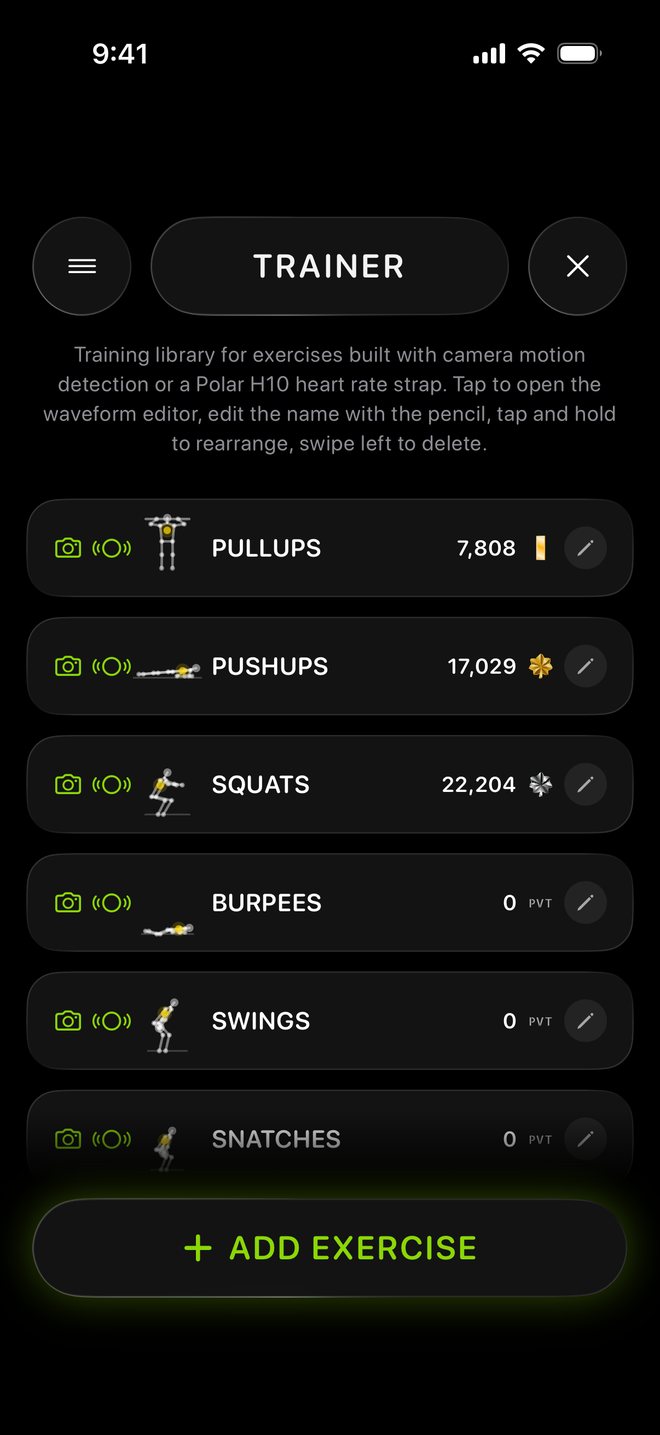
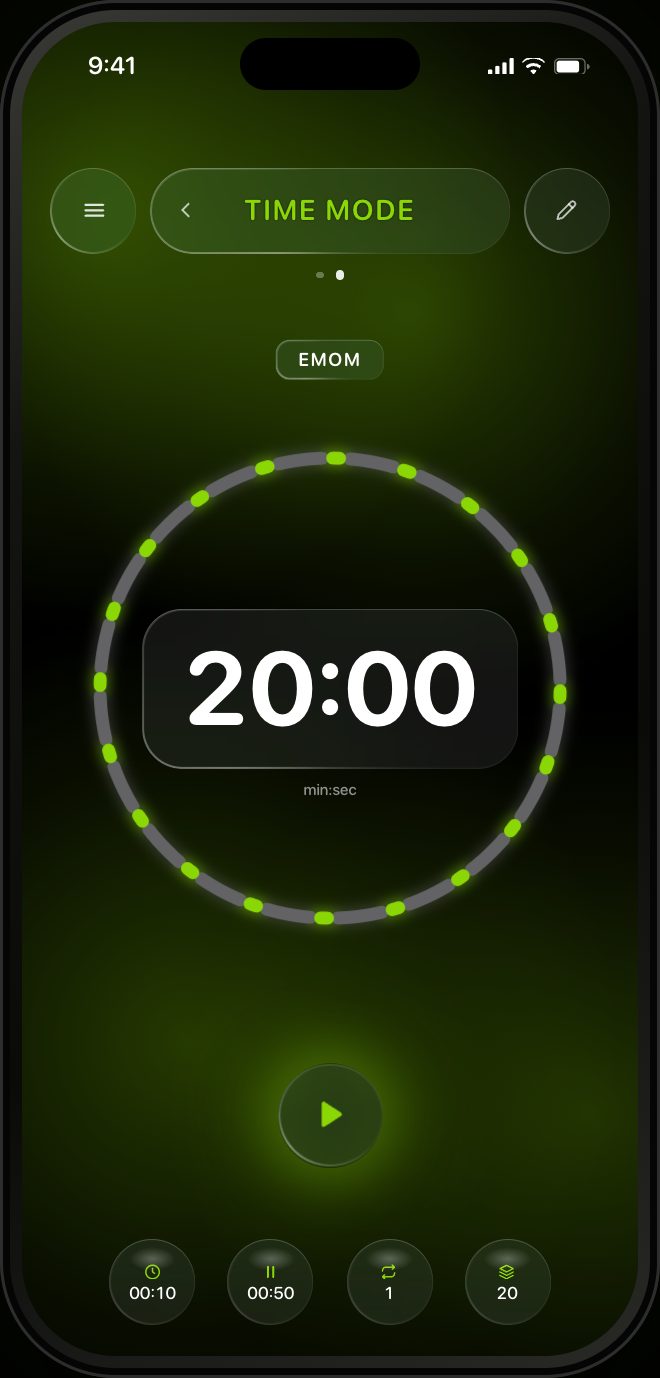
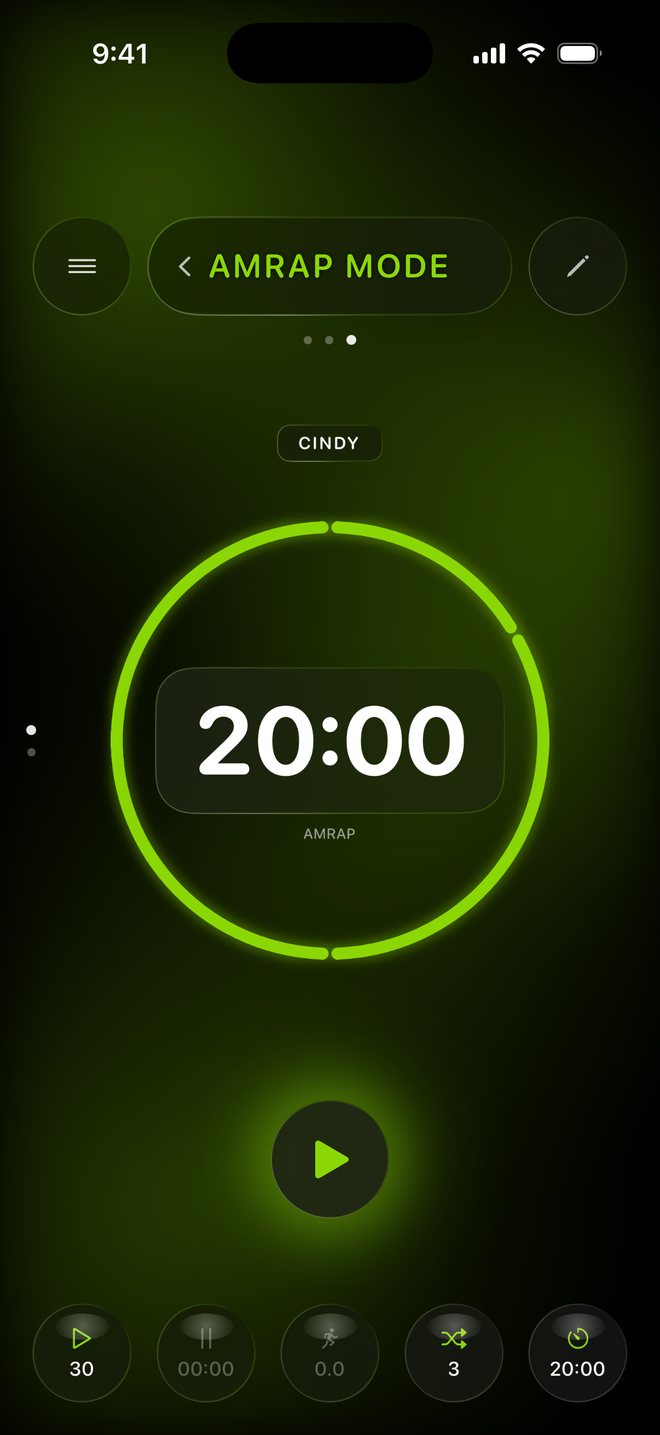
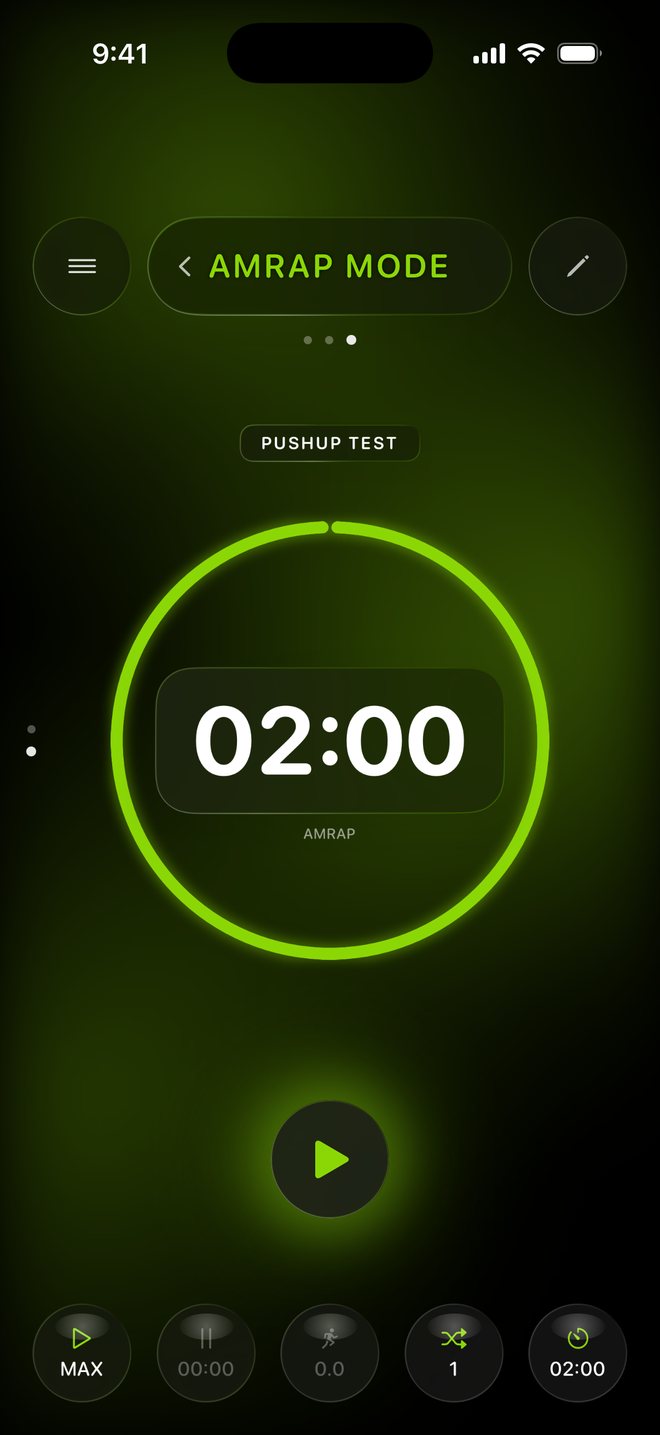
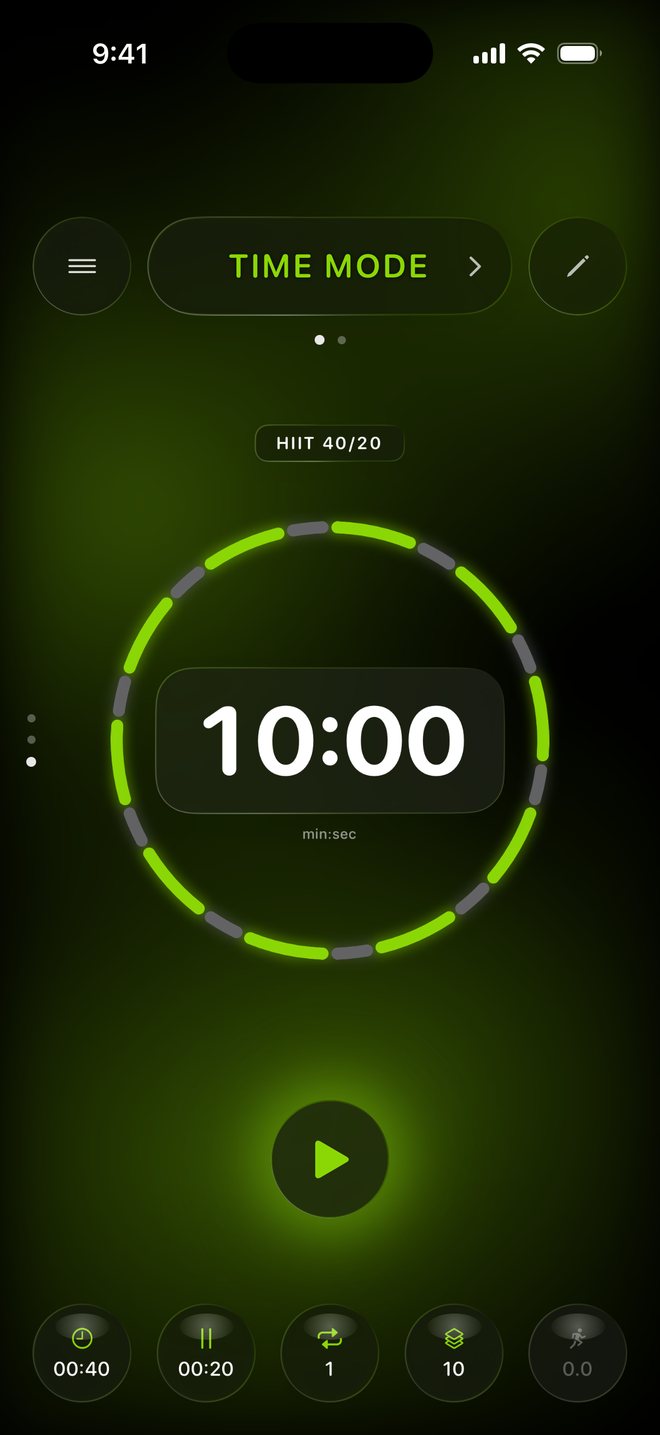
- Open TIME mode and pick a page. EMOM gives you 20 one minute rounds, TABATA gives you 20/10 for 4 minutes. Or set your own work, rest and rounds with the circles along the bottom.
- Pick SWINGS. Tap the exercises circle, tick SWINGS and untick the rest. Or keep push-ups or squats as a second or third exercise.
- Prop the phone up about 2 meters (6 feet) away, well out of the bell's path, with your whole body in the frame.
- Press play and swing. The screen turns lime for work and grey for rest, with sound and vibration cues, so you never have to look at it with a bell in your hands.
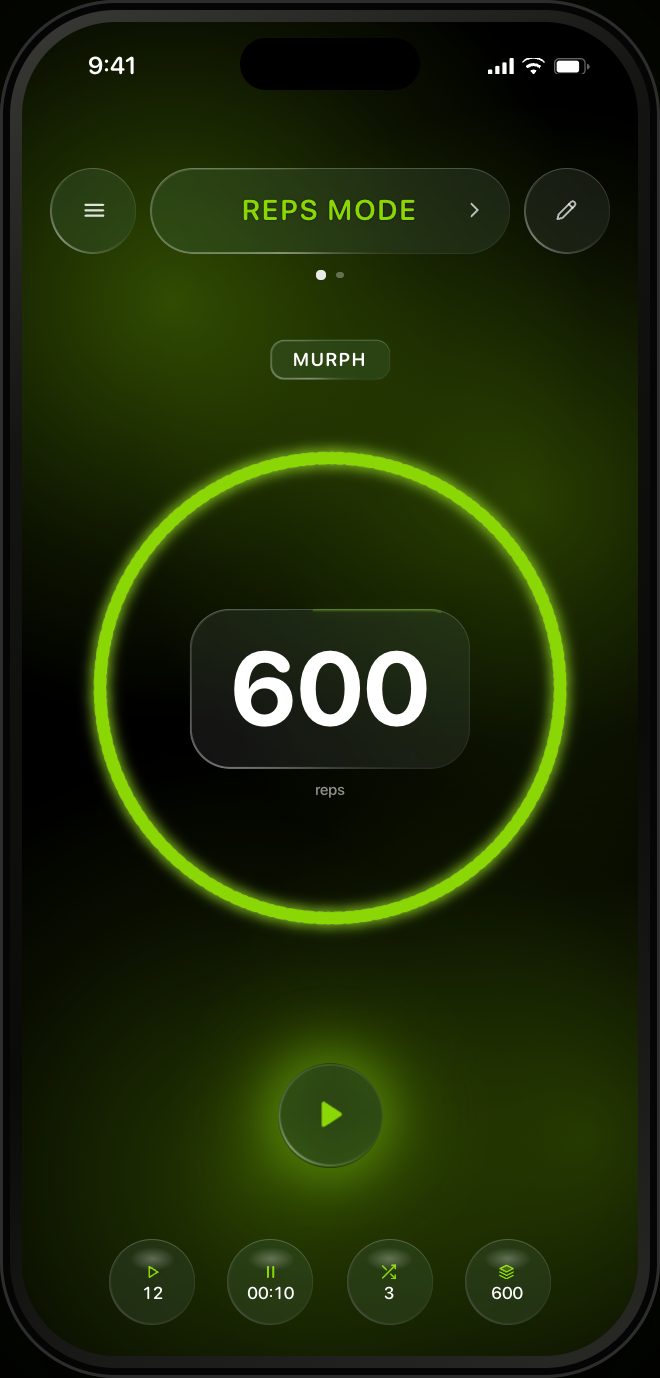
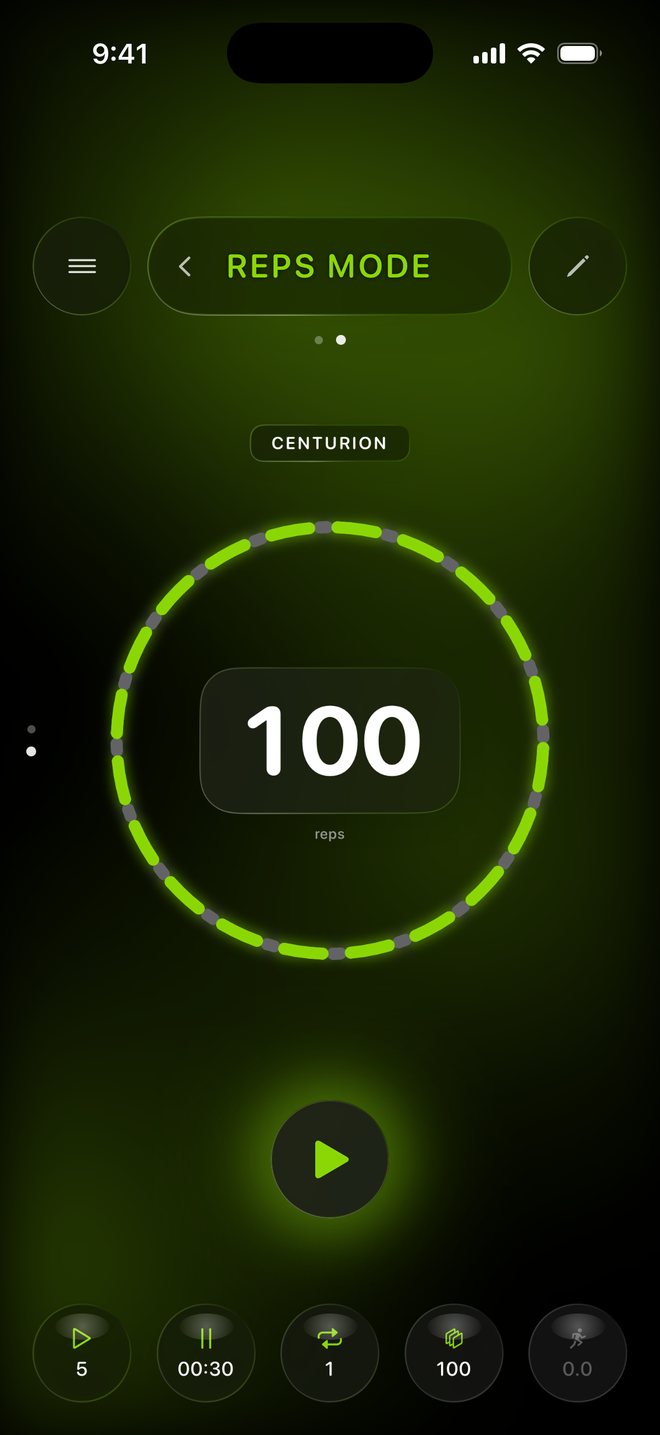
Want to count reps instead of seconds? Switch to REPS mode and give SWINGS a target per set: the rest starts on its own as soon as you reach it.

Swing with RankTime
Swings and snatches counted by the camera, EMOM and Tabata built in, heart rate, and a military rank that grows with every rep.

More guides